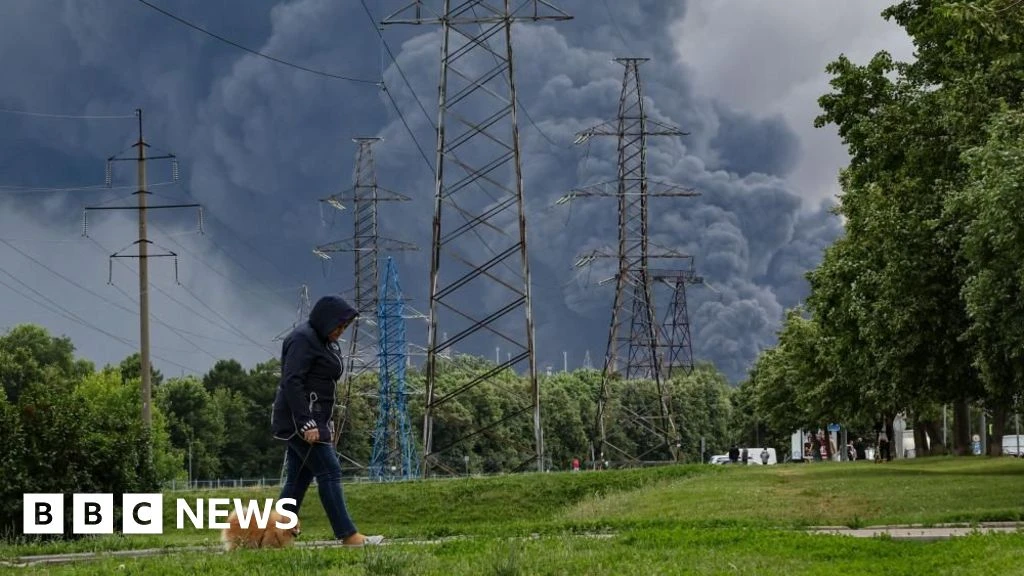
Acrid black smoke engulfed the Moscow skyline Thursday after a Ukrainian drone strike hit the Kapotnya oil refinery in the city's southeast. The assault marks one of the largest aerial attacks on the capital since the full-scale invasion began, bringing the war physically closer to Russian civilians.
Despite the visible destruction, daily life continued with surreal normalcy near the blast site. However, the human cost was immediate. Regional officials confirmed that an eight-year-old girl died in a fire caused by the strikes, which also damaged shopping centers and residential buildings.
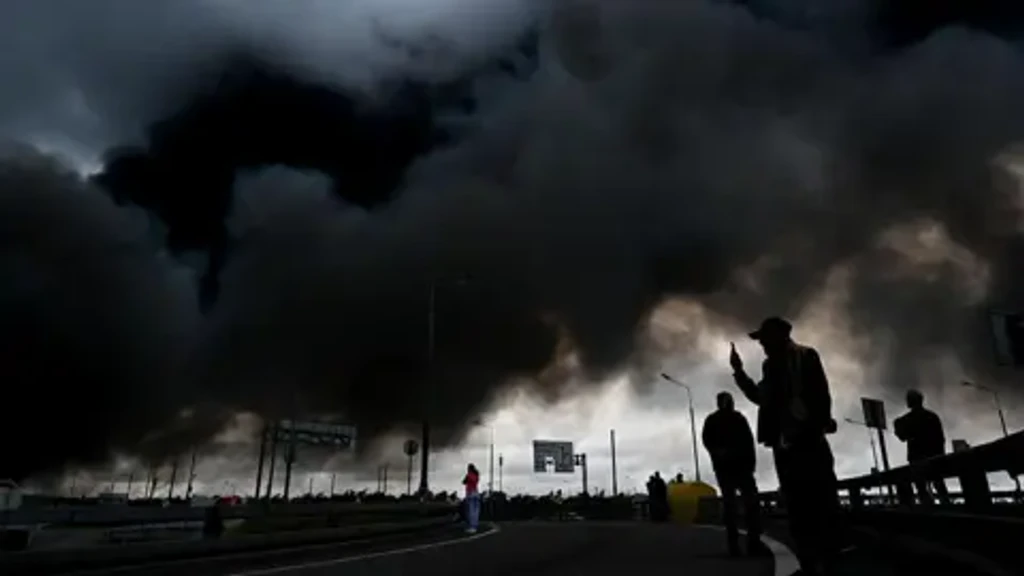
The Kremlin’s response has been calculated silence regarding domestic damage. President Vladimir Putin made no mention of the attack while hosting the Russia-ASEAN summit in Kazan. Instead, state media and officials have pivoted to a unified narrative emphasizing that Russian strikes inflict greater damage on Ukraine than vice versa.

Beneath the propaganda, economic indicators suggest growing strain. Long-range Ukrainian strikes targeting energy infrastructure are triggering petrol shortages and price hikes across Russia. While the government projects confidence in a war of attrition, analysts warn these disruptions are increasing pressure on the Russian economy.
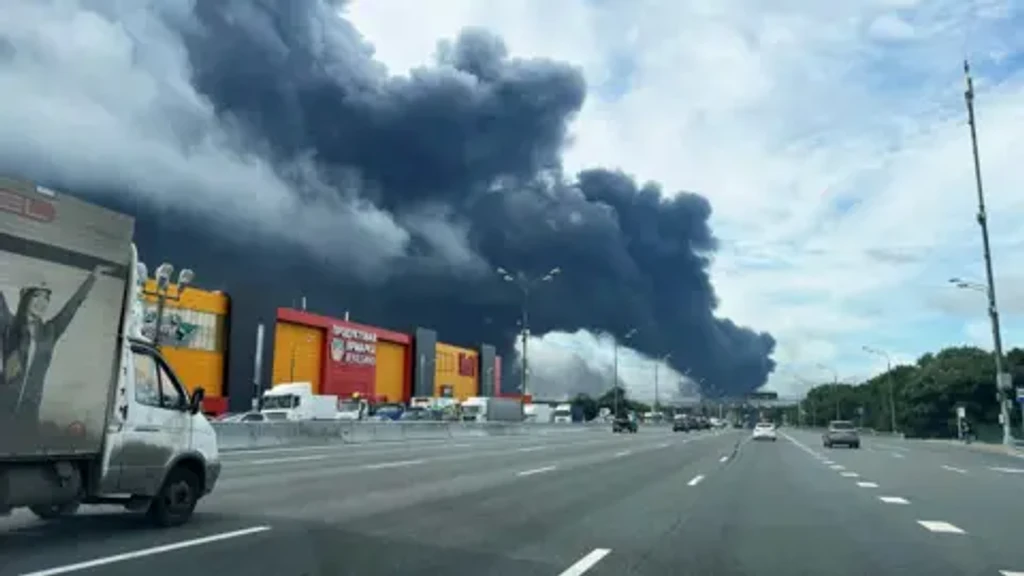
Moscow residents now face a new reality where drone alerts and infrastructure damage are becoming routine. With Kyiv demonstrating sustained long-range capabilities, further strikes on the capital appear inevitable regardless of official narratives.