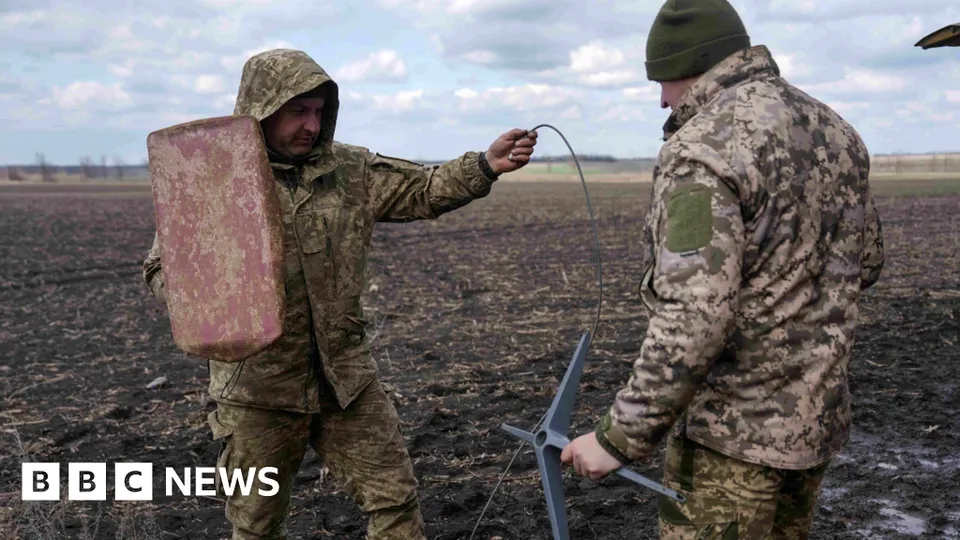
Elon Musk's decision to revoke Starlink internet access for Russian forces is demonstrably impacting Moscow's military operations, according to evidence from the front lines in Ukraine. Ukrainian officials and soldiers report a significant reduction in Russian offensive actions, drone usage, and overall battlefield communication effectiveness.
 Reuters
Servicemen of the 68th Oleksa Dovbush Separate Jaeger Brigade of the Armed Forces of Ukraine set up Starlink satellite internet system.
A Ukrainian drone operator noted a potential 50% decrease in Russian offensive capacity since the ban, which went into effect on February 1st. This move followed Ukraine's defense minister's request to SpaceX to block Russian access, after evidence emerged of Russian soldiers attaching Starlink terminals to drones for precision targeting.
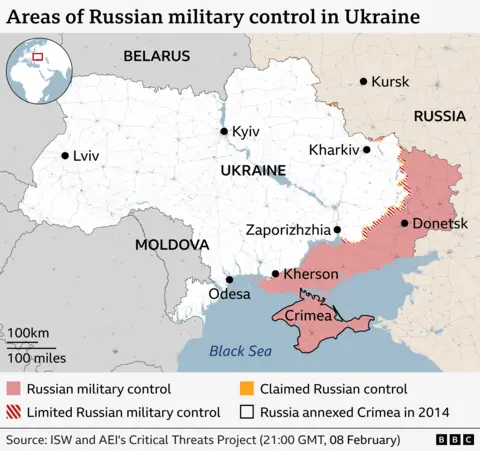
A map showing areas of Ukraine held by Russian forces.
Ukrainian activists from InformNapalm exploited the situation, successfully phishing approximately 2,425 Russian Starlink terminals, many of which were then targeted by Ukrainian artillery. This disruption has forced Russian troops to revert to less sophisticated radio communication and wired systems, hindering their ability to guide drones and coordinate attacks effectively.
 Omar/93rd brigade
A burning train in Kharkiv region, believed to be a result of a drone strike using Starlink.
While some Ukrainian soldiers report minimal change, military analysts believe this disruption provides a critical window for Ukraine to exploit. The loss of real-time, jam-resistant communication has effectively left Russian forces 'partly blind and partly deaf,' creating an opportunity for territorial gains and strengthening Ukraine's negotiating position.