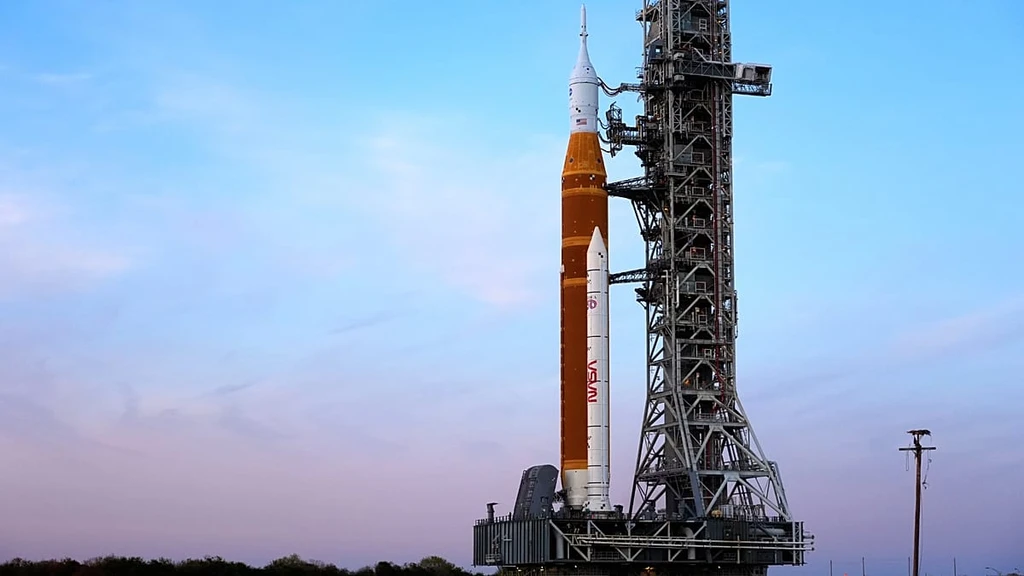
NASA has approved its Space Launch System rocket for a potential April launch carrying four astronauts, marking humanity's return to the Moon after more than five decades. The 98-meter rocket will be moved to the launch pad at Florida's Kennedy Space Center next week, with a launch attempt possible as early as April 1.
The Artemis II mission, a lunar flyaround, faced delays earlier this year due to fuel leaks and other issues. Repairs to the rocket, including plugging hydrogen fuel leaks and addressing a helium-flow problem, have now been completed. NASA has a six-day launch window at the start of April, with a backup window available on April 30 or early May.
Officials stated the mission is ready, though risk assessments were not disclosed. "It's a test flight and it is not without risk, but our team and our hardware are ready," said Lori Glaze, Deputy Associate Administrator for NASA's Exploration Systems Development Mission Directorate. Historically, new rocket systems have a 50 percent chance of success, with increased risk due to the gap since the last Space Launch System flight.
NASA Administrator Jared Isaacman has initiated an overhaul of the Artemis program to accelerate progress. This includes an additional Earth orbit practice flight for next year, now designated Artemis III, pushing the two-person moon landing to Artemis IV, with a target of one or two lunar landings by 2028.
Meanwhile, an audit by NASA's Office of Inspector General highlighted the need for a clear rescue strategy for lunar crews. Landing near the Moon's south pole presents greater risks due to rough terrain compared to equatorial landings. Lunar landers are identified as a primary contributor to potential crew loss, with NASA's loss-of-crew threshold set at 1-in-40 for lunar operations.
SpaceX and Blue Origin are accelerating work on their lunar landers to meet the 2028 target, though significant technical challenges, including in-orbit refueling, persist.