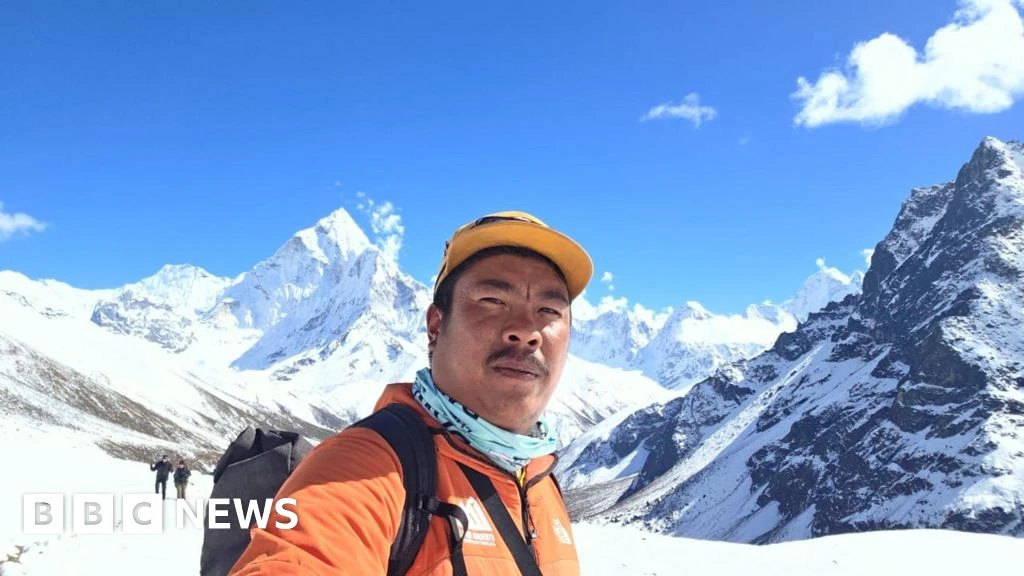
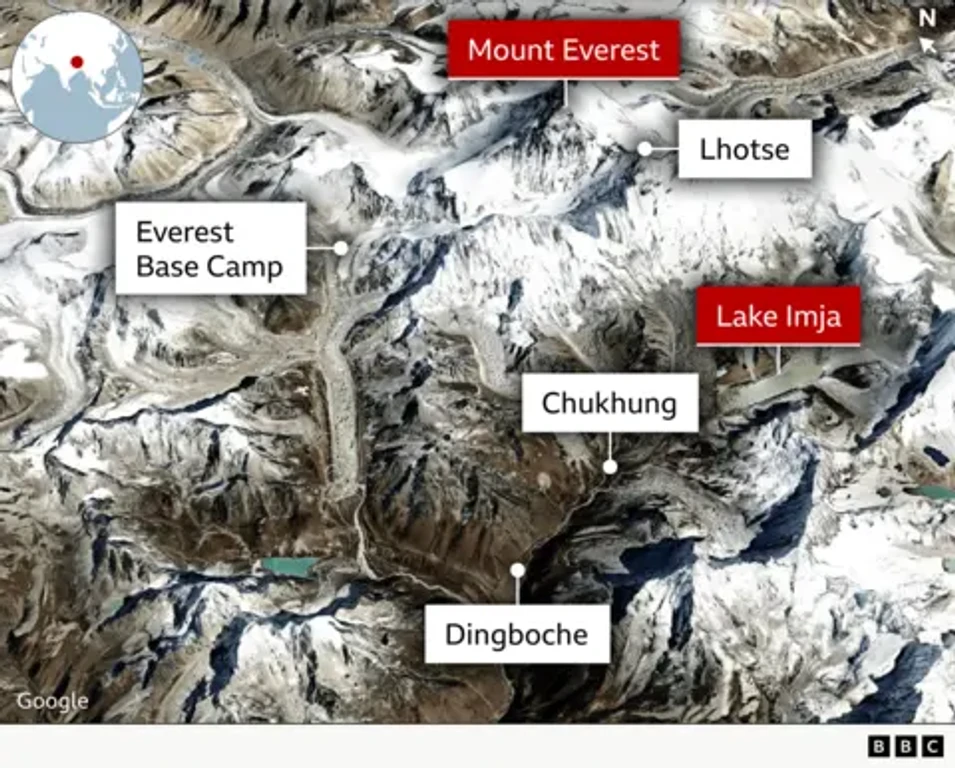
Nepal's multi-million dollar early flood warning system in the Everest region is reportedly inoperable, potentially endangering thousands of lives. Officials admit the UN-supported project, designed to monitor the dangerous Imja glacial lake, has not been inspected for years.
Siren towers have been left to rust, with some batteries stolen, while satellite data reception for mobile alerts remains unreliable. The Imja lake, which was partially drained in 2016 as part of a $3.5 million risk reduction project, is expanding again due to global warming. Scientists warn that melting glaciers are increasing the risk of glacial lake bursts, which can devastate downstream settlements.
Locals report that promised annual inspections of the warning system have not occurred, and their pleas for maintenance have been ignored. The risk extends not only to six vulnerable villages but also to the more than 60,000 tourists who visit the region annually. Officials cite a lack of budget allocation and redirected funds to other projects as reasons for the system's neglect. While new warning systems are being planned for other locations with an emphasis on sustainability, the immediate threat in the Everest region persists.
Despite assurances that lessons from Imja are informing new projects, local communities feel neglected and live daily with the fear of disaster. The failure of this critical infrastructure highlights ongoing challenges in maintaining vital safety systems in remote, high-risk environments.