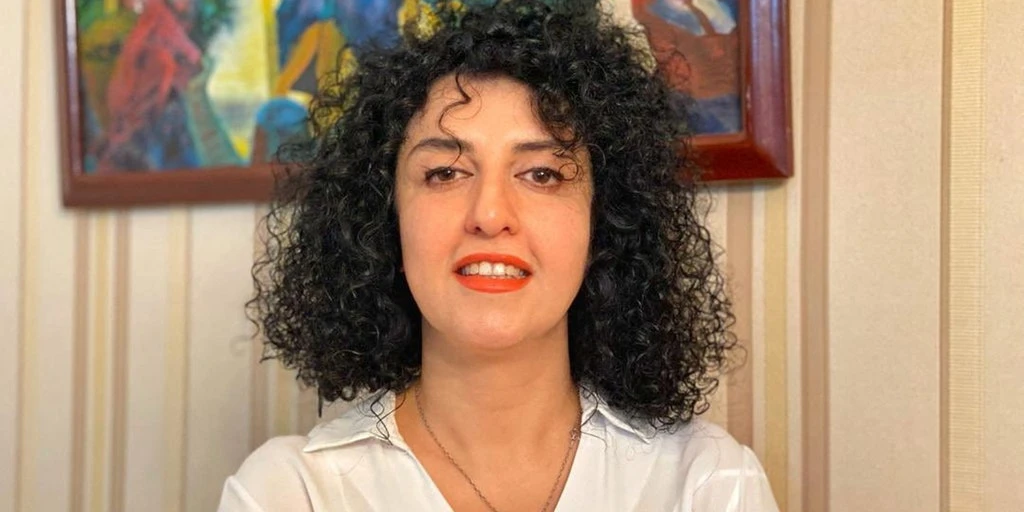
Narges Mohammadi, the jailed Nobel Peace Prize laureate and Iranian human rights activist, remains politically defiant despite suffering severe injuries during a brutal arrest. Her husband, Taghi Rahmani, states Mohammadi is physically battered but spiritually unbroken, advocating for a free Iran from within Zanjan prison.
Mohammadi, recognized globally for her fight against compulsory hijab laws and the death penalty, is emerging as a potential unifying figure for Iran's fragmented opposition. Her legitimacy stems from her internal struggle, contrasting with exiled leaders. Rahmani reports she urgently requires medical attention but is being denied a transfer by Iran's Ministry of Intelligence.
Discussions around Iran's opposition highlight deep divisions, including those favoring a return to the pre-revolution era and former revolutionaries now in opposition. Exiled prince Reza Pahlavi retains broad name recognition, advocating for regime change, while Mohammadi embodies endurance under repression.
Rahmani warns that the ongoing conflict intensifies the regime's crackdown on domestic opposition, making mass uprisings extraordinarily difficult. He notes the Islamic Revolutionary Guard Corps has consolidated power, militarized streets, and severely weakened civil society, posing a critical challenge for any potential emergence of unified leadership.