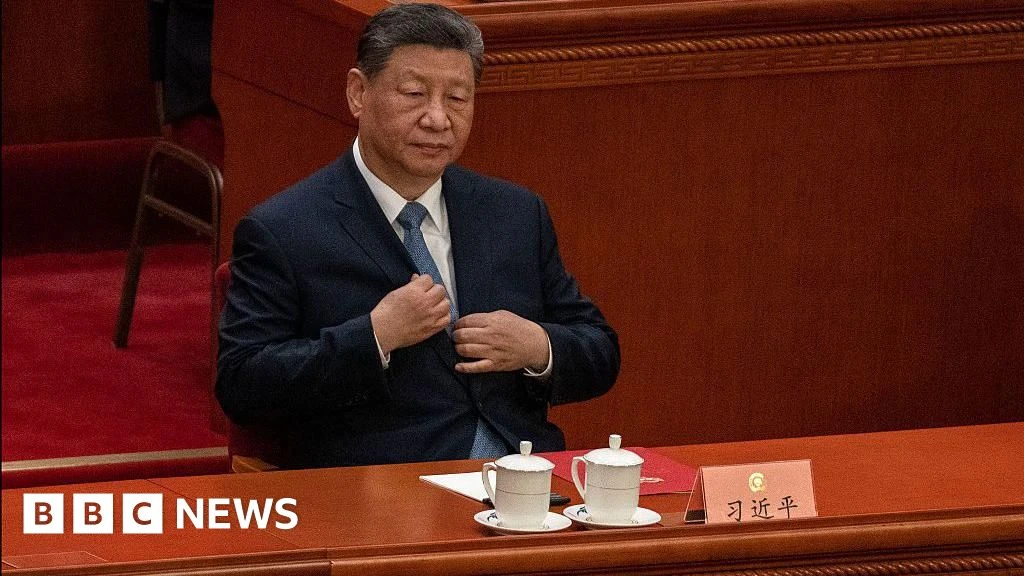
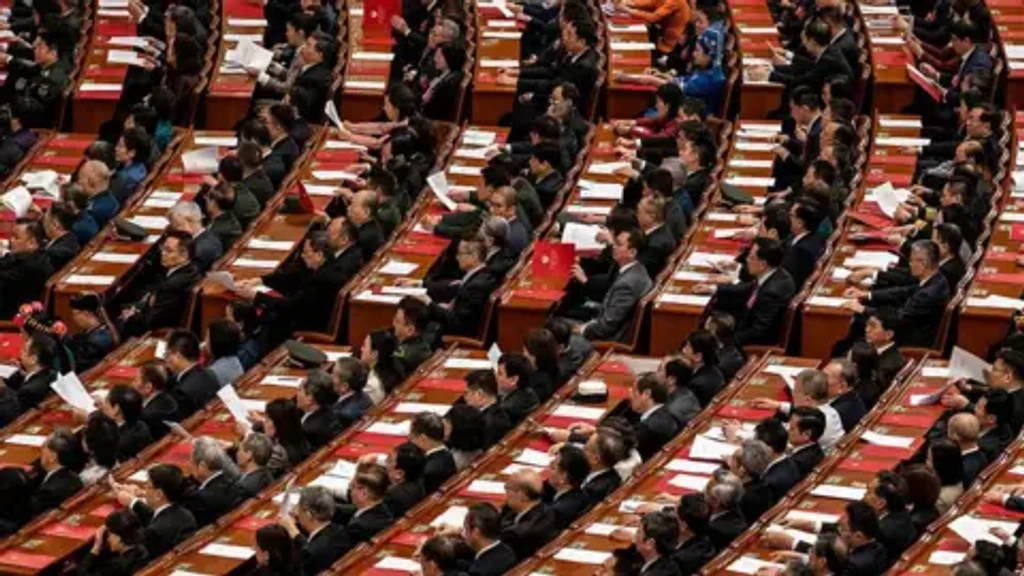
China's major political gathering, the National People's Congress (NPC), is concluding, offering insights into the nation's strategic direction. While officially a legislative body, the NPC and the Chinese People's Political Consultative Conference (CPPCC) effectively ratify decisions made by the Communist Party elite.
The key takeaway is China's intent to project stability in a turbulent global landscape. President Xi Jinping is focused on economic management, seeking certainty amid geopolitical shifts and an unpredictable US presidency. Policies are aimed at stimulating domestic spending, achieving technological supremacy through AI and advanced manufacturing, and increasing self-reliance in renewable energy. The carefully orchestrated statecraft contrasts with global volatility, positioning China as a stable force focused on economic recovery.
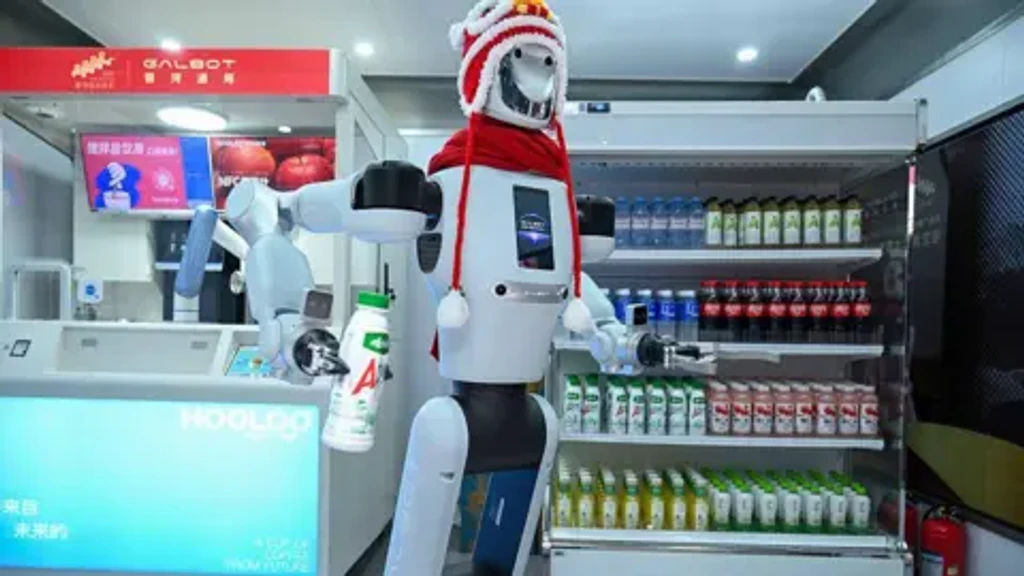
Technology and innovation are central to China's future growth strategy. The 15th Five-Year Plan prioritizes scientific breakthroughs and widespread AI integration. Research and development spending is increasing, with a focus on semiconductors, robotics, biotechnology, and quantum computing. This marks a strategic shift from past reliance on property and infrastructure.
Officials have pledged to "vigorously stimulate consumer demand," a welcome rhetoric for economists. However, details on how to achieve this are scant. While measures like increased childcare spending and modest rural pension hikes were announced, analysts question their effectiveness in boosting savings-driven Chinese households, especially with falling home values and youth unemployment. The success of these plans hinges on improved consumer confidence and spending.