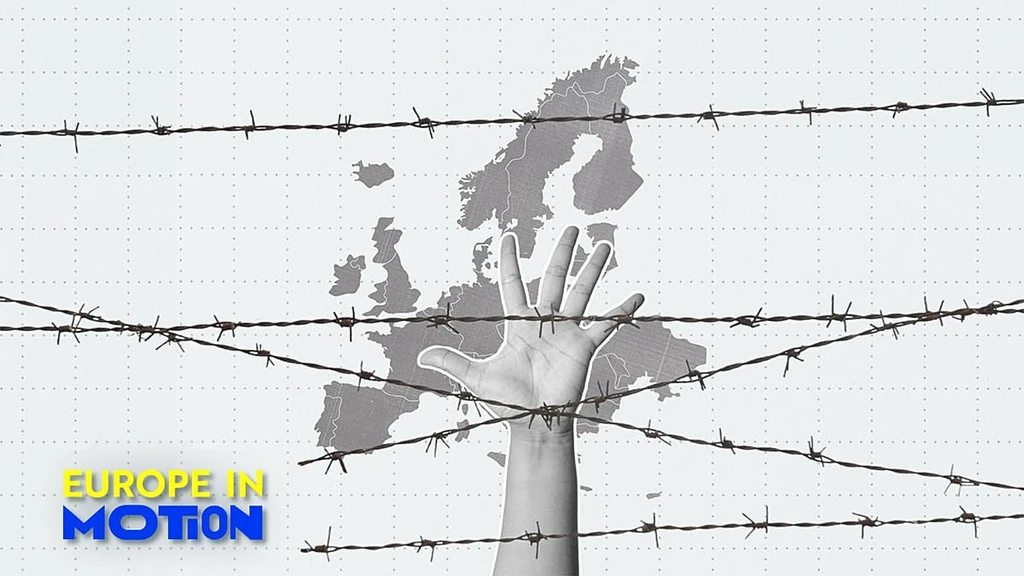
More than 39,000 human trafficking cases have been recorded in Europe between 2002 and 2022, according to the International Organization for Migration (IOM). Experts from the IOM suggest the actual number of victims is considerably higher due to underreporting and detection challenges.
During this period, adults comprised 85% of victims, with children making up the remaining 15%. The majority of victims in Europe originated from Ukraine, Moldova, and Belarus. Anti-trafficking expert Julia Sachenko noted that war creates conditions ripe for crimes against humanity, with recent findings indicating at least 13 individuals trafficked in neighboring countries during the past four years.
Women accounted for over three-fifths of all victims, nearly double the number of men. Victims were identified across 69 European countries, with the highest concentrations in Ukraine and Moldova. Approximately half of the victims experienced trafficking for a year or less.
Forced labor, particularly in construction and agriculture, was the primary form of exploitation for half of the victims. Another 48% were subjected to sexual exploitation, often forced into prostitution. Traffickers commonly employed psychological, physical, and sexual abuse, alongside tactics such as restricting movement and denying medical care.
While 10% of perpetrators were known to their victims, the majority were not. Labor brokers, contractors, and smugglers represented a significant portion of traffickers, with intimate partners and family members accounting for a smaller percentage.