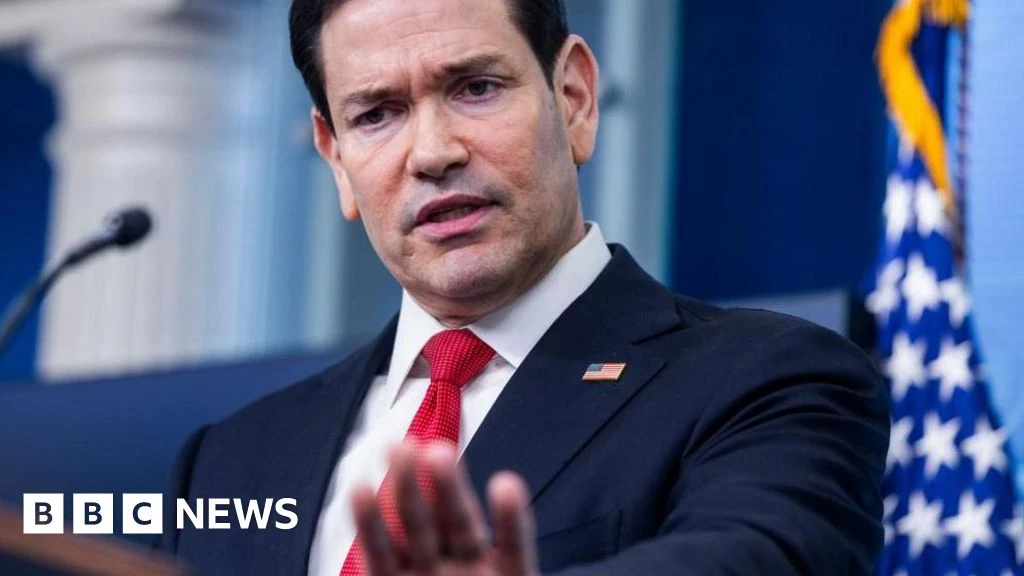
US Secretary of State Marco Rubio stated Tuesday that the initial US-Israeli offensive against Iran, Operation Epic Fury, has concluded after meeting its objectives.
"We would prefer the path of peace. What the president would prefer is a deal," Rubio told reporters, while acknowledging that Tehran has not chosen that route.
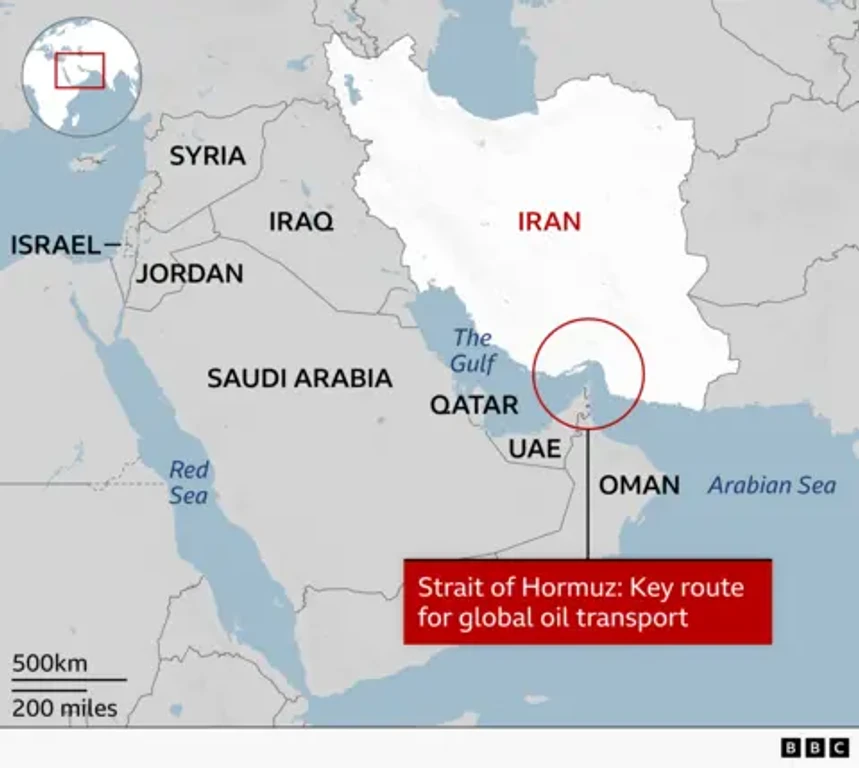
A series of recent attacks in the Strait of Hormuz, which carries 20% of the world's oil and LNG, have threatened the fragile ceasefire between Washington and Tehran.
Iranian parliamentary speaker Mohammad Ghalibaf, the country's top negotiator in last month's talks with the US, countered: "We know well that the continuation of the status quo is intolerable for America, while we are just getting started."
Operation Epic Fury launched on February 28 with US and Israeli airstrikes on Iran. Tehran responded by blocking the Strait, and a ceasefire was reached in early April, but few vessels have transited since.
The UK Maritime Trade Operations reported a cargo vessel was struck by an "unknown projectile" in the Strait on Tuesday. The UAE said it engaged Iranian missiles and drones for a second consecutive day, while Iran denied launching attacks on the Emirates.
Defense Secretary Pete Hegseth said the ceasefire "holds" but added the US is "watching very, very closely." Chairman of the Joint Chiefs Dan Caine noted Iran has attacked US forces 10 times since the truce, but those actions remain "below the threshold" of resuming full combat.
President Trump said he still believes a negotiated settlement is possible and plans to discuss reopening the Strait with Chinese President Xi Jinping during his upcoming visit to China.