During World War II, Bishop François-Louis Auvity urged French youths to accept forced labor in Germany. He was one of several Catholic prelates who collaborated with the Nazi-approved Vichy government.
How did church leaders support a regime that shipped French Jews to concentration camps? The roots trace back to the Dreyfus Affair of 1894. Political polarization drove many Catholics toward the rightist movement Action Française, led by Charles Maurras. Maurras advocated integral nationalism, prioritizing the state over individual faith.
Philosopher Jacques Maritain initially supported the movement but broke away after Pope Pius XI condemned it in 1926. The Holy See decreed that Catholics could not put politics above faith. Maritain developed integral humanism, arguing for democracy based on human dignity rather than coercion.
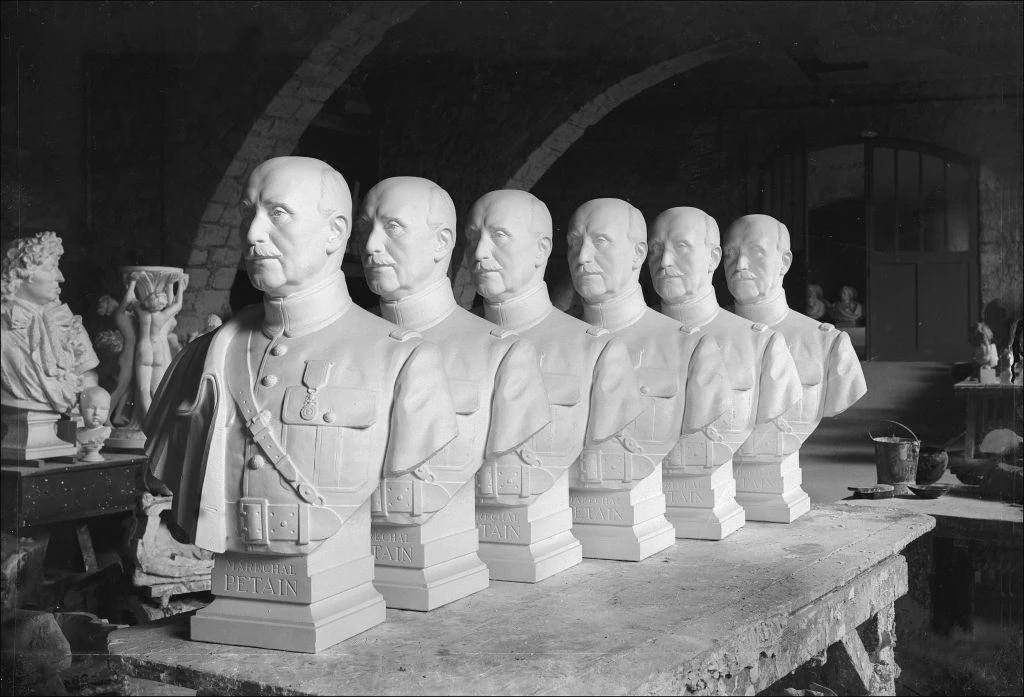
When France fell, Christians faced a choice: Support the Catholic Marshal Pétain in Vichy or General de Gaulle in Free France. While theologian Réginald Garrigou-Lagrange backed Vichy, others like Bishop Saliege of Toulouse publicly protested Jewish persecutions.
Auvity operated out of fear for liberal Republicans, betraying his country to fight political enemies. He was forced to resign by Pope Pius XII after the war. The era serves as a warning on moral compromise. As poet Charles Peguy noted, political actions often begin as ideals but end as power struggles, devouring the soul along the way.