The ongoing crisis in the Strait of Hormuz is reverberating through global aid networks, with the World Food Programme reporting that warnings about soaring energy costs are now a harsh reality in vulnerable countries. WFP Acting Executive Director Carl Skau stated at UN Headquarters that the predicted knock-on effects are "playing out in real time."
Hunger is rising sharply: an additional 2.5 million people in Somalia, 2.3 million in Afghanistan, and 1.3 million in Sri Lanka have been pushed into acute food insecurity. The drivers include rising food prices, underfunded humanitarian responses, and higher operating costs.
UNICEF warns that maritime diversions around the Cape of Good Hope are adding two to four weeks to shipping times. Air freight costs for vaccines shipped from India to Ethiopia, Nigeria, and the DRC have risen by up to 70%. Trucking costs for therapeutic food to Somalia, South Sudan, and the DRC have increased by a third. Sea freight for education materials to Yemen and Mozambique has surged by 150%.
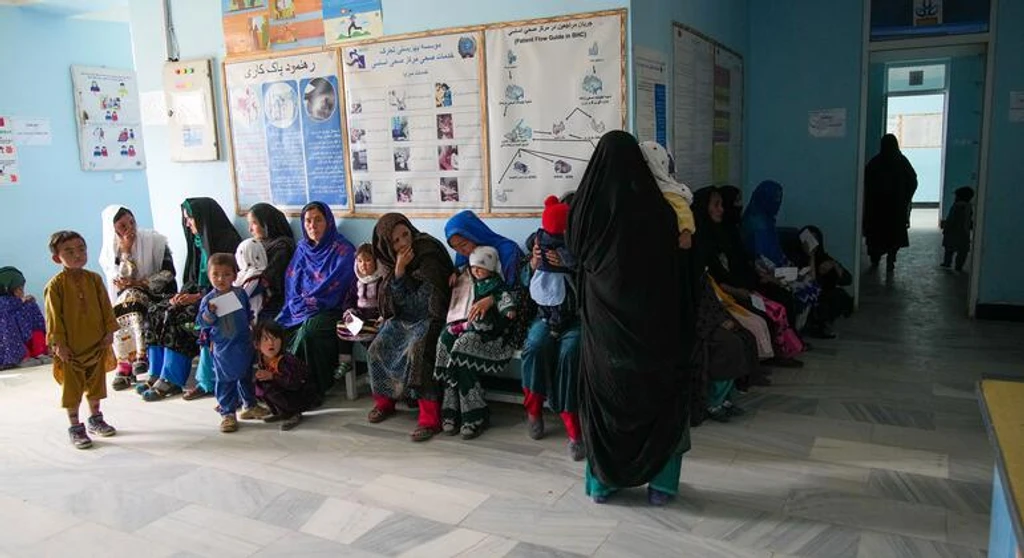
In Afghanistan, Skau described witnessing hundreds of mothers carrying malnourished children away from a clinic near Jalalabad because nutrition supplies had run out. "The desperation in that clinic is hard to describe," he said.
Before the escalation on February 28, roughly a fifth of global oil shipments passed through the Strait of Hormuz. Disruptions have driven up crude oil prices and increased transport costs, with hundreds of vessels and tens of thousands of seafarers still stranded.
A new analysis by UNCTAD warns the burden falls disproportionately on poorer countries. Of 75 vulnerable economies studied, 65 are net oil importers. A sustained 50% increase in refined oil prices would add more than $20 billion annually to their collective import bill.
UN Secretary-General António Guterres had warned in April that even under the most optimistic scenario, disruptions would depress economic growth and disrupt global trade, pushing millions into poverty.