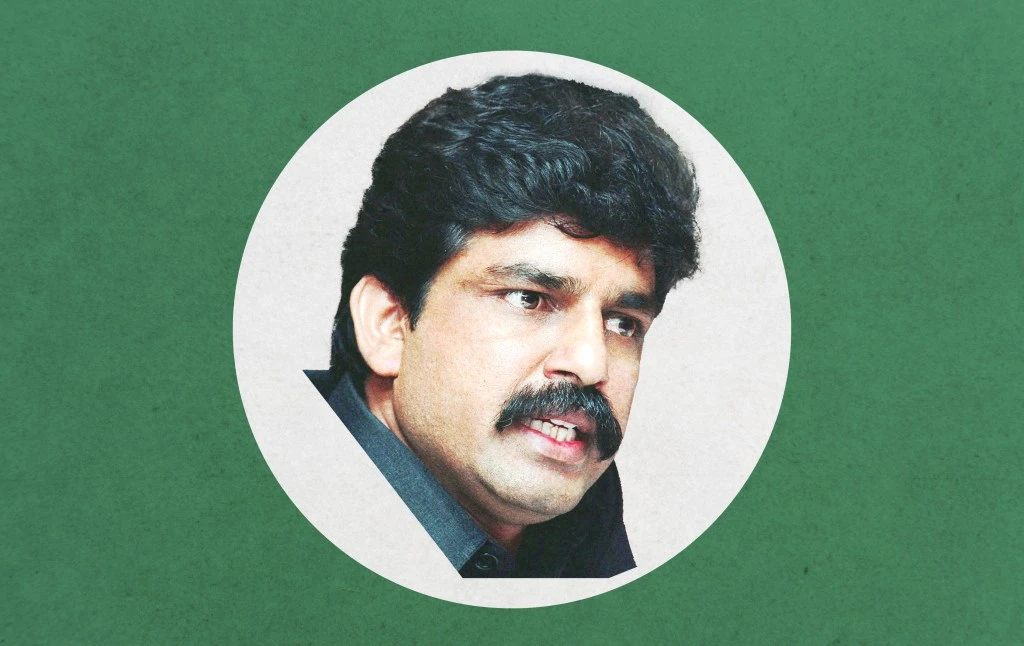
Shahbaz Bhatti, a Pakistani Christian minister, is remembered as a martyr for religious freedom. He fearlessly advocated for religious minorities in Pakistan, facing death threats from extremists. Bhatti was assassinated in 2011 by Pakistani Taliban gunmen while en route to work.
Pakistan, a nation of 250 million, is diverse but struggles with rampant religious persecution. Christians, Hindus, Sikhs, and Ahmadi Muslims face discrimination and violence. Pakistan's blasphemy laws are frequently used to victimize these minorities, with the country holding a record number of blasphemy-related imprisonments globally.
Before his government appointment in 2008, Bhatti founded the All Pakistan Minorities Alliance. As the federal minister for minority affairs, he was the sole Christian in the federal Cabinet. He championed equal rights and established initiatives like a federal jobs quota for minorities and a national minorities day. He also initiated discussions on reforming the controversial blasphemy law.
During his tenure, Bhatti advocated for Asia Bibi, a Catholic woman sentenced to death under blasphemy charges, and Salman Taseer, the Muslim governor of Punjab who opposed the law and was subsequently murdered. Bhatti's advocacy continued even from within a government whose policies he opposed.
During his final visit to Washington D.C. in February 2011, Bhatti met with Secretary of State Hillary Clinton and members of Congress. He understood the risks, stating, "I prefer to die for my principles and for the justice of my community rather than to compromise on these threats."
In the face of increasing global religious persecution and declining institutional support for human rights, Bhatti's example of courage and principled advocacy remains vital. His dedication serves as a call to action for consistent defense of religious freedom for everyone, everywhere, urging bipartisan support for human rights initiatives.
Knox Thames, who served in the State Department, highlights the contrast in U.S. administrations' approaches to religious freedom. He emphasizes the need for creative strategies to encourage political leaders to uphold and expand commitments to religious freedom, urging collaboration across political and religious divides.
Bhatti's legacy is further commemorated through initiatives like the graphic novel Blood and Water: The Life and Martyrdom of Shahbaz Bhatti. His sacrifice underscores the importance of defending those persecuted for their beliefs and calls for a response to persistent persecution.