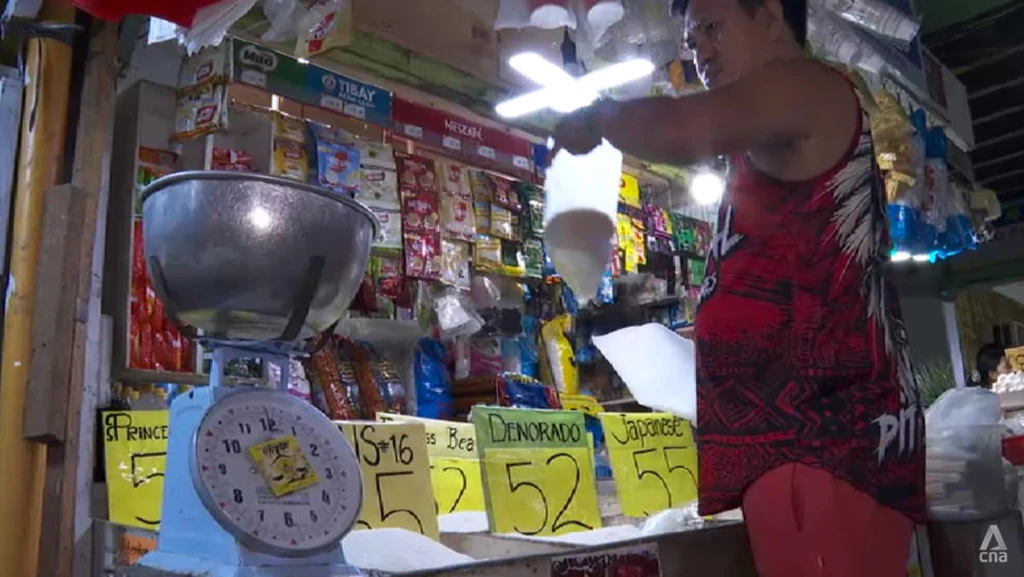
The Philippines is facing a severe cost-of-living crisis as disruptions to fuel and fertilizer supplies linked to the Middle East conflict drive up rice prices. Rice is a staple consumed at nearly every meal, with the average Filipino eating about 119kg per year, so even small price increases strain household budgets.
At Taboan Market in Cebu City, rice sells for between 50 and 60 pesos per kilogram. Traders say imported rice is popular because it's often cheaper, but prices have been fluctuating due to uncertainty over fuel supplies, which has raised transportation and logistics costs. Many Filipinos report living costs have surged 30 percent since the Iran war began in February.
The Philippine government has been building rice inventories since declaring an emergency last year after severe weather damaged crops. But fuel prices reportedly doubled last month to more than 140 pesos per liter, adding pressure on transporting goods across the archipelago of over 7,600 islands. At the recent ASEAN summit in Cebu, leaders proposed tapping the emergency rice reserve shared with China, Japan, and South Korea, and discussed establishing a regional oil stockpile.
The crisis is also hitting Cebu's tourism sector hard. A transport operator said bookings from South Korean, Japanese, and Chinese travel agencies have plunged an estimated 70 percent, as pricier tour packages and fuel costs deter visitors. Some employees have been put on unpaid leave, and commission-based workers are struggling.