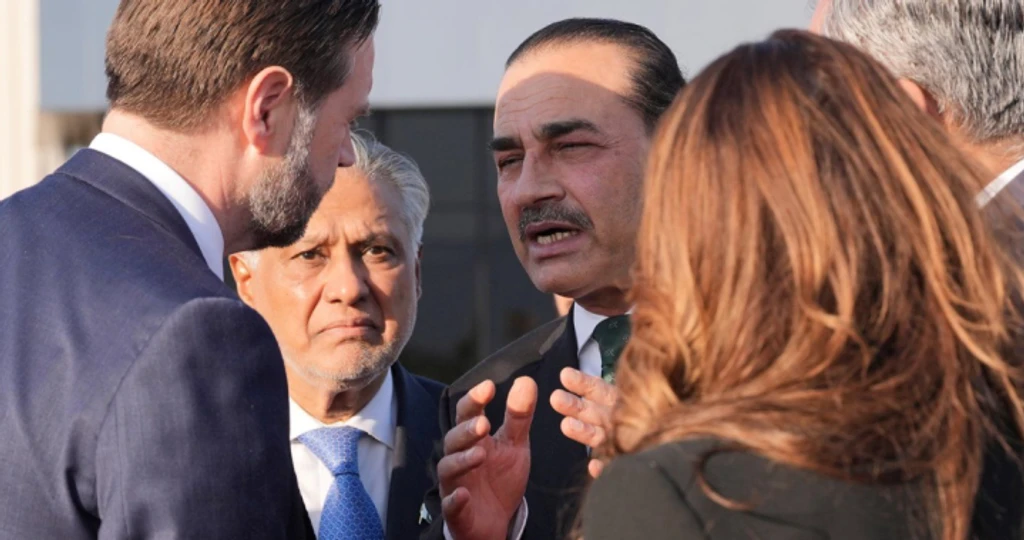
Momentum for a ceasefire agreement between the United States and Iran appears to be accelerating. Pakistani Prime Minister Shehbaz Sharif indicated that a deal could be finalized within 24 hours, describing the current position as closer than "ever before." This diplomatic breakthrough follows weeks of tension and limited exchanges of fire along the tenuous truce established in April.
U.S. President Donald Trump is scheduled to address the strategic implications of this potential resolution during next week’s Group of Seven summit. Key agenda items include the demining of the Strait of Hormuz, a critical chokepoint effectively controlled by Iranian forces since the conflict began. The blockade has severely disrupted oil and natural gas shipments from the Persian Gulf, prompting a U.S. counter-blockade on Iranian ports.
Britain and France have expressed interest in deploying military vessels to assist with demining operations once hostilities cease. A senior U.S. official confirmed that Trump will meet with leaders from Egypt, Qatar, and the United Arab Emirates on the sidelines of the summit to coordinate efforts to wind down the war.
Iranian officials have signaled cautious optimism. Foreign Ministry spokesperson Esmail Baghaei stated that finalizing a memorandum of understanding is highly likely in the coming days, though he noted nuclear issues would not be part of the immediate agreement. Iranian Foreign Minister Abbas Araghchi echoed this sentiment, posting that an agreement has "never been closer."
In a significant development regarding Iran's internal leadership, state media announced funeral ceremonies for former Supreme Leader Ayatollah Ali Khamenei, who was killed in the war’s opening attack. The events are scheduled for early July during the Shiite mourning period of Muharram. Khamenei will be buried at the Imam Reza Shrine in Mashhad. His son, Mojtaba Khamenei, has succeeded him but has remained out of public view since the onset of the conflict.