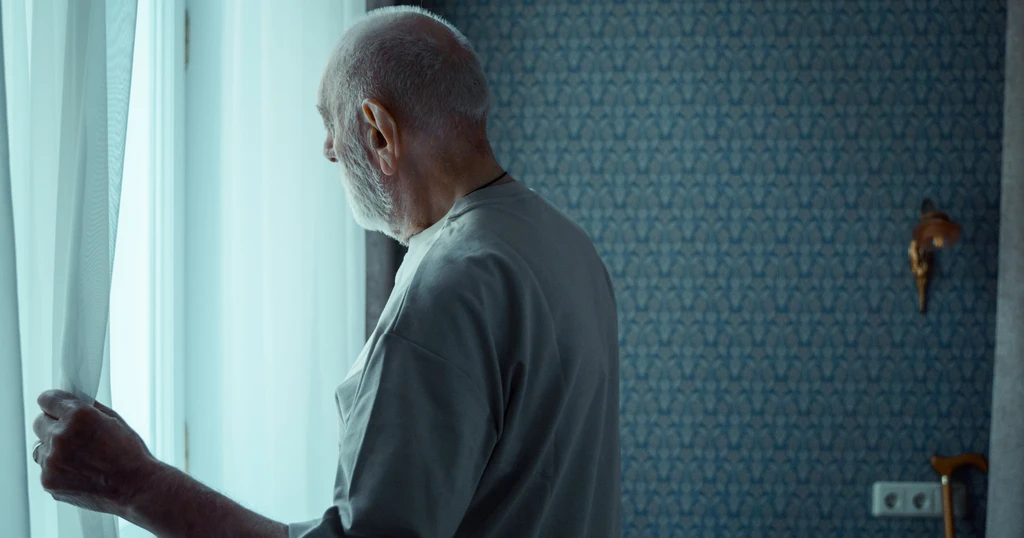
Older adults aren’t losing social skills - they’re shedding superficial ties. Their loneliness often reflects a refusal to settle for hollow connections.
Stanford psychologist Laura Carstensen’s socioemotional selectivity theory shows aging sharpens emotional priorities. As time horizons shrink, people invest only in relationships that deliver authenticity, care, and mutual respect.
Smaller networks don’t mean lonelier lives. Research distinguishes isolation (lack of contact) from loneliness (lack of meaningful connection). Fulfillment hinges on relational quality, not quantity.
The gap? Older adults crave six core needs: proximity, support, intimacy, shared joy, contribution, and respect. When society fails to meet them, loneliness follows - not from decline, but discernment.
This pruning paradox carries cost: fewer buffers when close relationships end. Loss hits harder. But emotional wellbeing rises as networks deepen with trusted companions.
Solutions? Not more events or small talk. The answer is depth - trust, reciprocity, authenticity. For many, loneliness isn’t brokenness. It’s the price of refusing to pretend.