A new study from Bar-Ilan University in Israel offers compelling evidence that the biological clock might tick in both directions.
Researchers have found that increasing levels of a longevity-linked protein called SIRT6 in the livers of aging mice restored patterns of DNA organization typically seen in younger animals. The work lends weight to the theory that aging is not simply an accumulation of damage, but a loss of molecular information that tells cells which genes to use.
"As we age, the genome loses its proper organization," explained geneticist Haim Cohen. "Genes that should remain silent become activated, especially inflammatory genes, while genes required for normal liver function begin to shut down."
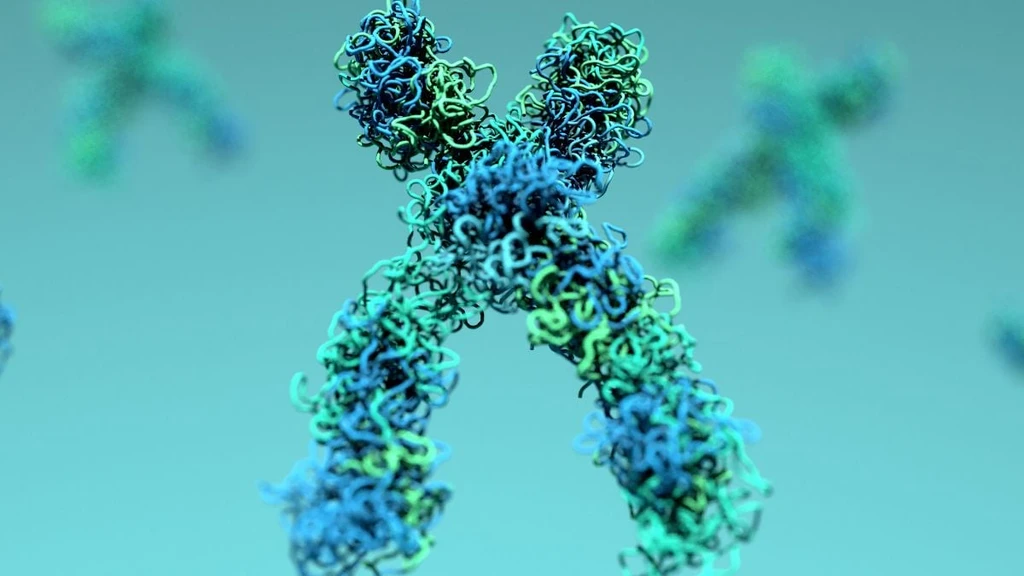
The team focused on SIRT6, a protein known to slow age-related changes, repair DNA, and maintain chromatin - the tightly packed structure that organizes DNA. When SIRT6 levels were boosted in already elderly mice, many age-related changes in chromatin organization shifted back toward a youthful state. This suggests some aspects of aging may be reversible, not just preventable.
"This is exciting because it suggests aging may be more plastic than we once believed," Cohen said. "If we can restore healthy chromatin organization, we may eventually be able to preserve tissue function, reduce inflammation, and improve health during aging."
The results are not yet transferable to humans, but they open a promising door to better understanding and potentially changing the aging process.