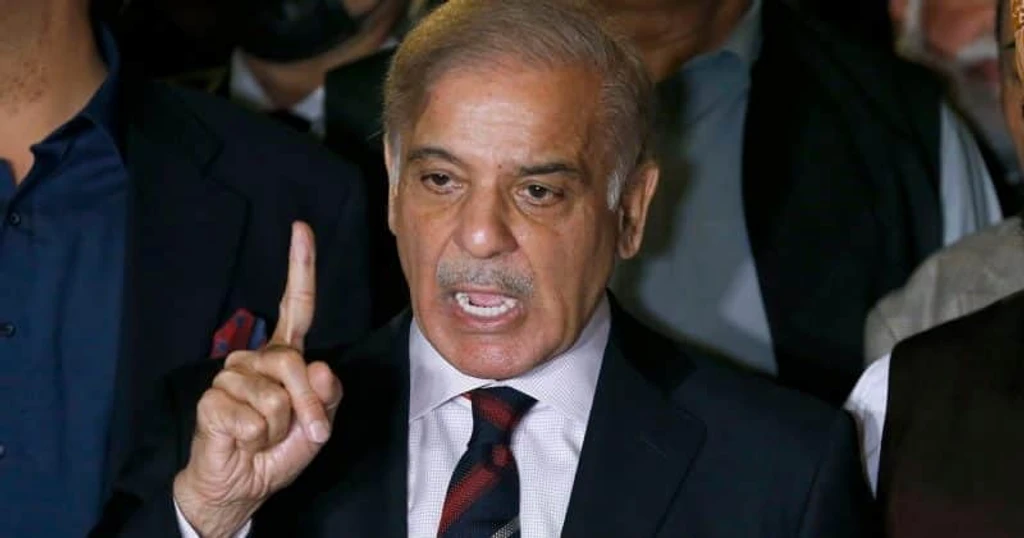
Pakistan’s Prime Minister Shehbaz Sharif confirmed on June 12 that the United States and Iran have agreed upon the final text of a peace deal. Islamabad served as the primary mediator in this high-stakes diplomatic breakthrough, which follows an initial ceasefire established on April 8.
The agreement aims to stabilize a region destabilized by the 2026 Iran war, a conflict that initially drew in Israel and Hezbollah, disrupting global energy markets and trade routes. President Donald Trump acknowledged direct communications with Sharif during these negotiations, validating Pakistan’s role as a neutral broker between Washington and Tehran.
Despite the textual agreement, significant opacity remains regarding the accord's core provisions. Key issues, including the security of the Strait of Hormuz-which handles approximately 20% of global oil shipments-and constraints on Iran’s nuclear enrichment program, have not been publicly disclosed.
This lack of transparency mirrors the uncertainties surrounding the 2015 JCPOA, which collapsed after three years following a US withdrawal. Independent verification of the new terms remains scarce, leaving investors and analysts assessing the potential impact on geopolitical stability and energy prices based on limited data.