The Rastriya Swatantra Party (RSP) has secured a significant victory in Nepal's recent election, marking the largest win for a single party in decades. The RSP garnered 182 seats in the lower house, narrowly missing a two-thirds supermajority. The Nepali Congress and the Communist Party of Nepal UML (CPN-UML) followed with 38 and 25 seats respectively. Voter turnout was approximately 60% among the 19 million eligible voters.
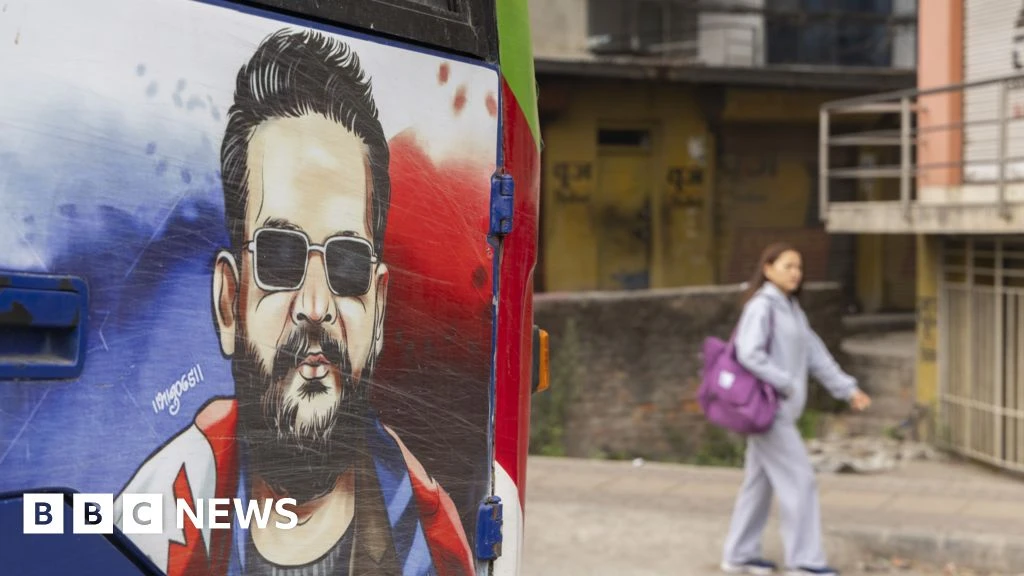
This result positions the RSP's Balendra Shah, a 35-year-old rapper and former mayor of Kathmandu, to become Nepal's next prime minister. The formation of the new government is expected to take at least a week. The RSP, founded only in 2022, has seen a remarkable ascent, having placed fourth in the previous election.
The election outcome underscores a widespread desire for change, particularly among Nepal's youth, who have voiced concerns about unemployment, economic stagnation, and inequality. These issues were central to youth-led protests last year that led to the ousting of the previous government. Notably, Balendra Shah defeated former prime minister KP Sharma Oli in the Jhapa 5 constituency, a significant upset for the veteran politician.