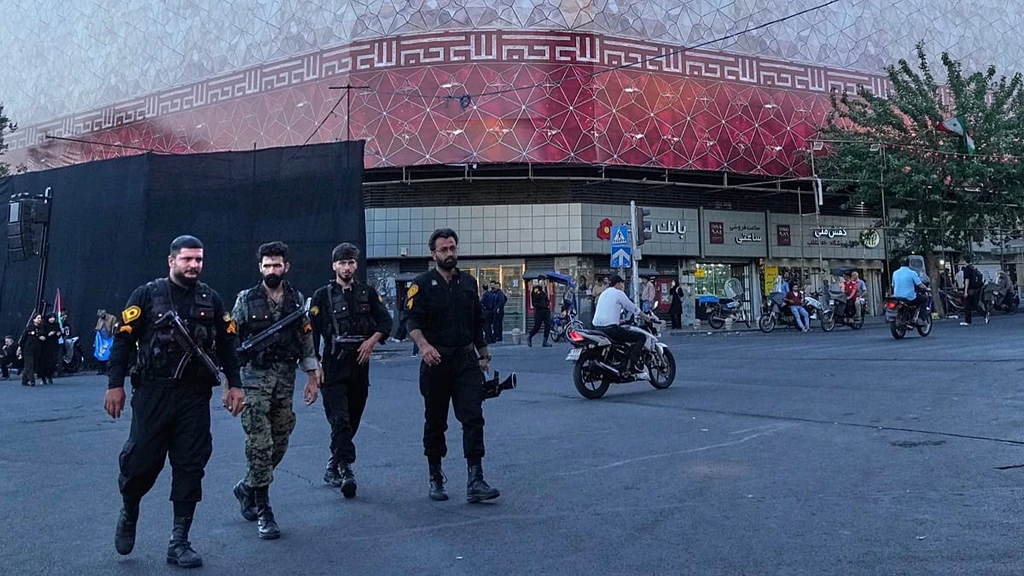
Iran’s hardline establishment is framing the new US-Iran framework deal as evidence that Tehran outlasted Washington rather than a diplomatic concession. Despite questions regarding internal control, IRGC Quds Force commander Esmail Qaani publicly asserted that the Bab al-Mandeb Strait remains under the influence of Hezbollah and Houthi forces. This statement signals that Tehran retains leverage over critical global shipping routes even as the Hormuz blockade lifts.
The Institute for the Study of War assesses that IRGC commander Ahmad Vahidi utilized control over the Strait of Hormuz to entrench domestic power against political rivals. While Iran's civilian leadership pushed for a swift agreement to revive the economy through reopened shipping lanes, the IRGC resisted and ultimately shaped the negotiating posture. Parliament spokesperson Ebrahim Rezaei has since labeled the memorandum unbalanced, describing the current environment as a full-scale hybrid war.
State media emphasizes that the document contains no provisions for regime change or political reform. Sanctions relief and resumed oil exports are being presented as economic victories achieved without conceding political structure. Three Iranian tankers carrying five million barrels of crude have already transited the Strait of Hormuz following the announcement lifting the US naval blockade.
US Vice President JD Vance clarified that the administration seeks nuclear cessation rather than installing exiled opposition leader Reza Pahlavi. Pahlavi rejected the deal outright, warning it would fail to curb regional instability. President Donald Trump stressed the framework is merely a memorandum of understanding subject to sixty days of further negotiations at Switzerland's Bürgenstock Hotel.
Trump dismissed reports of a $300 billion reconstruction fund and issued a stark warning regarding compliance. He stated that if Iran does not behave, military action will resume immediately. Israeli officials remain openly critical of the agreement's rushed nature, cautioning that it could inadvertently strengthen Tehran's position during the upcoming negotiation window.