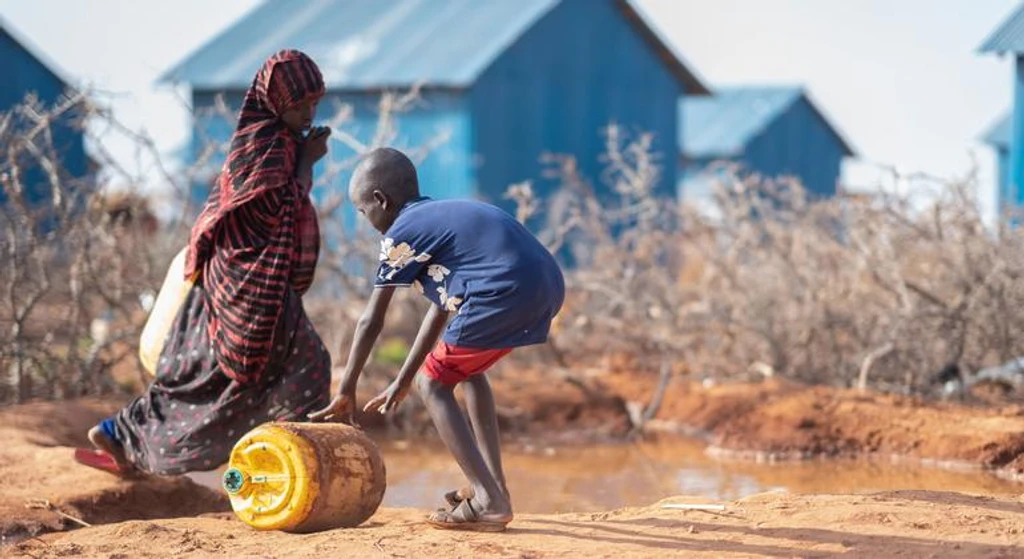
The United Nations is warning that Somalia is at a real risk of famine, as the spillover effects from the ongoing conflict in the Middle East worsen an already dire humanitarian situation.
At least six million people in Somalia are going days without enough food, according to UN aid teams. Nearly two million of them are young children at high risk of illness or death.
“The humanitarian context in Somalia is worsening faster than we originally projected,” said George Conway, the UN’s top aid official in the country. He blamed the deteriorating conditions on the unresolved Middle East conflict and the resulting global supply chain crisis.
Almost half a million children are so severely malnourished they require urgent treatment to survive. The UN Children’s Fund (UNICEF) reports that healthcare for hunger-related diseases is stretched thin, with supply chain delays tied directly to disruptions in the Middle East.
Assistance is most urgently needed in the South West state, where the UN has confirmed a real and credible risk of famine in the Barakaba district. While the current rainy season has brought some relief, concerns are growing that not enough rain will fall, and the cost of humanitarian aid is becoming prohibitively expensive.
Fuel price hikes have tripled the cost of water trucking in some areas. The price of fuel is also threatening the supply of ready-to-use therapeutic food, which is critical for treating severely malnourished children. Much of this food must be flown in, and rising airfreight costs are making it increasingly difficult to sustain deliveries.