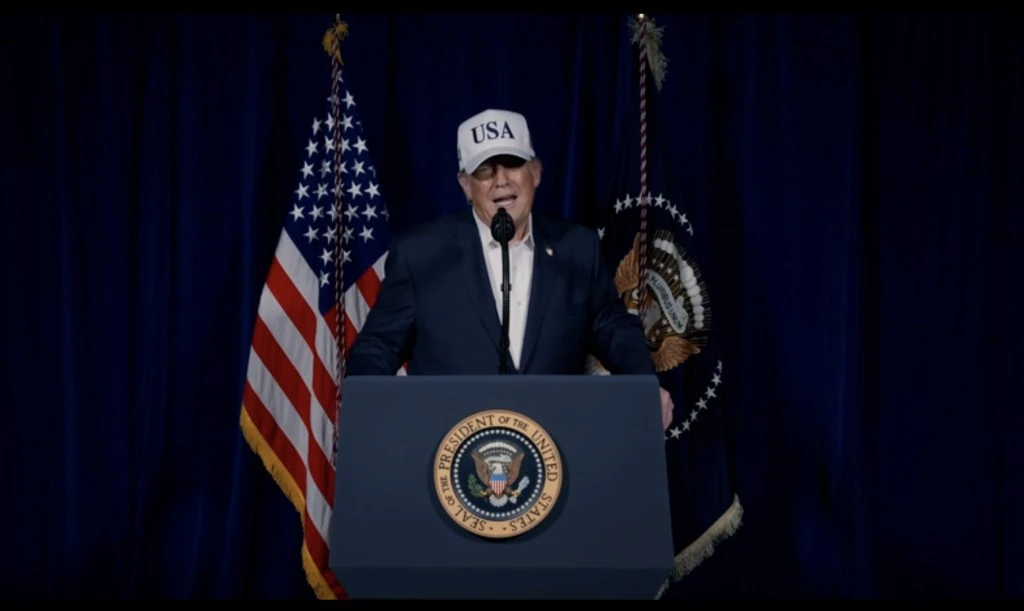
The United States and Israel conducted major strikes against Iran overnight, with President Trump labeling Iran the world's leading state sponsor of terror. Military operations are expected to continue, while Iran has retaliated with missile and drone attacks on Israel and a U.S. naval base in Bahrain.
This escalation follows a significant Supreme Court ruling that President Trump exceeded his authority by implementing tariffs under the International Emergency Economic Powers Act (IEEPA). The court affirmed Congress's constitutional power to levy taxes and tariffs, rejecting the president's broad interpretation of executive power.
Legal experts and commentators noted the ruling's emphasis on separated powers, with some criticizing Congress for its perceived inaction in reclaiming trade policy authority. Trump has since announced new tariffs, citing a different statute, the Trade Act of 1974, though critics suggest he may attempt to extend them unilaterally, bypassing congressional approval.
Elsewhere, discussions explored societal shifts towards over-inclusivity and its potential harms to public spaces and civic structures, alongside historical parallels in industrial mobilization for wartime efforts and commentary on political privilege and disability representation.