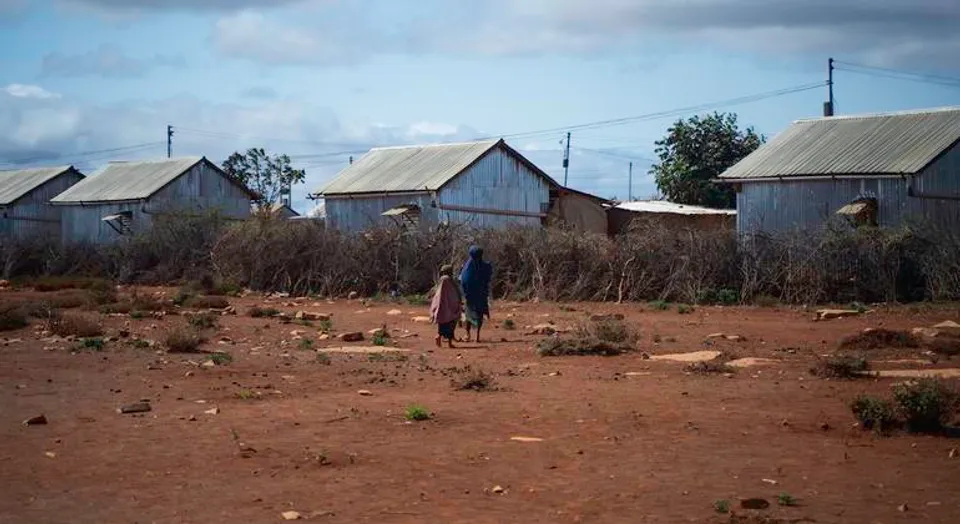
The number of people facing acute food insecurity in Somalia has nearly doubled in one year, reaching a staggering 6.5 million. This figure represents a significant increase from 3.4 million during the first quarter of the previous year. Over two million individuals are currently at an emergency level of food insecurity.
The current crisis is driven by a combination of factors, including a failed rainy season, resulting in reduced crop production. Drought, ongoing conflict, and displacement have further disrupted livelihoods and access to markets. High food prices, both local and imported, coupled with shortfalls in humanitarian aid, have exacerbated the situation.
More than 1.8 million children under five years old are at risk of acute malnutrition, with nearly half a million facing severe acute malnutrition. This condition is the deadliest form of malnutrition.
Experts predict the food insecurity situation will likely persist through March before potentially easing slightly with improved rains later in the spring. However, acute food insecurity is expected to remain widespread across the nation.
Urgent humanitarian assistance is critically needed in affected areas, with a call for scaled-up support encompassing food security, nutrition, health, and water initiatives to reach those most in need.