Singapore is set to fortify its partnerships with middle powers and regional alliances as it confronts a significant global "geostrategic tectonic plate rupture." Foreign Affairs Minister Vivian Balakrishnan stated that the post-World War II international order, founded on multilateralism and international law, has effectively ended. He highlighted that a populist backlash against globalization has fueled inequality and polarization, projecting domestic dysfunction onto the global stage and undermining support for the existing international framework.
Dr. Balakrishnan warned that great powers are increasingly asserting military and economic influence with diminishing regard for legal or moral justification, leading to fragmentation and the weaponization of interdependence. This volatile environment poses increased risks for smaller states like Singapore.
To navigate these challenges, Singapore's Ministry of Foreign Affairs will focus on five key priorities: constructive engagement with major powers, building a broader network of middle power partnerships, strengthening ASEAN's stability and integration, deepening ties with immediate neighbors, and reinforcing a rules-based international architecture.
The minister emphasized the growing importance of middle powers, particularly those committed to international law and free trade. Singapore has recently upgraded partnerships with countries including Australia, France, India, New Zealand, and Vietnam, and established a new alliance with South Korea. The nation is also expanding its global presence in Africa and Latin America with new missions planned for Mexico and Ethiopia.
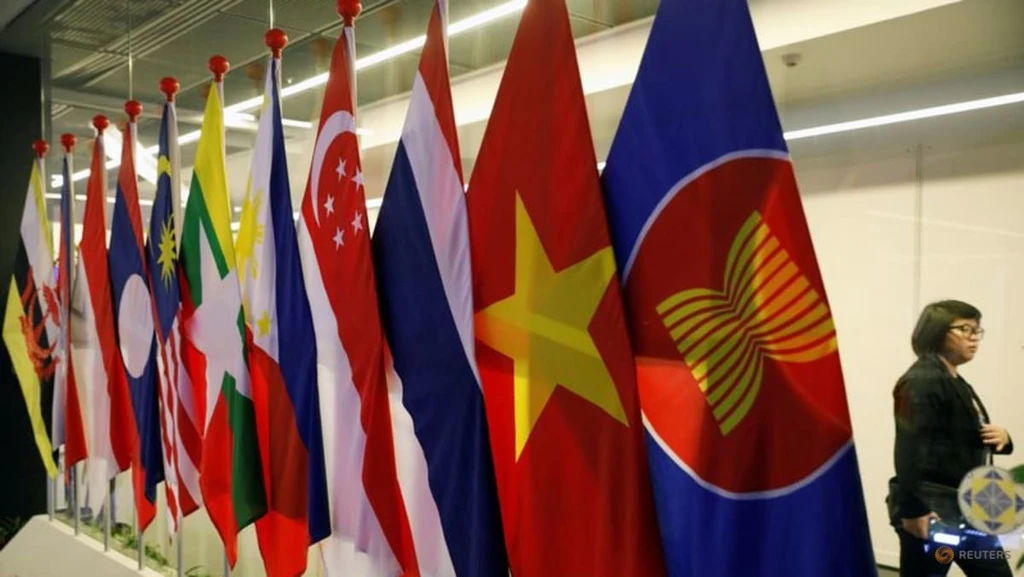
ASEAN remains central to Singapore's foreign policy, with strong bilateral relationships forming the foundation of regional cohesion. Initiatives like the ASEAN Power Grid and the ASEAN Digital Economy Framework Agreement are progressing. Singapore, set to chair ASEAN in 2027, aims to leverage this position to drive deeper integration and ensure ASEAN remains a partner of choice, thereby enhancing regional stability and prosperity.