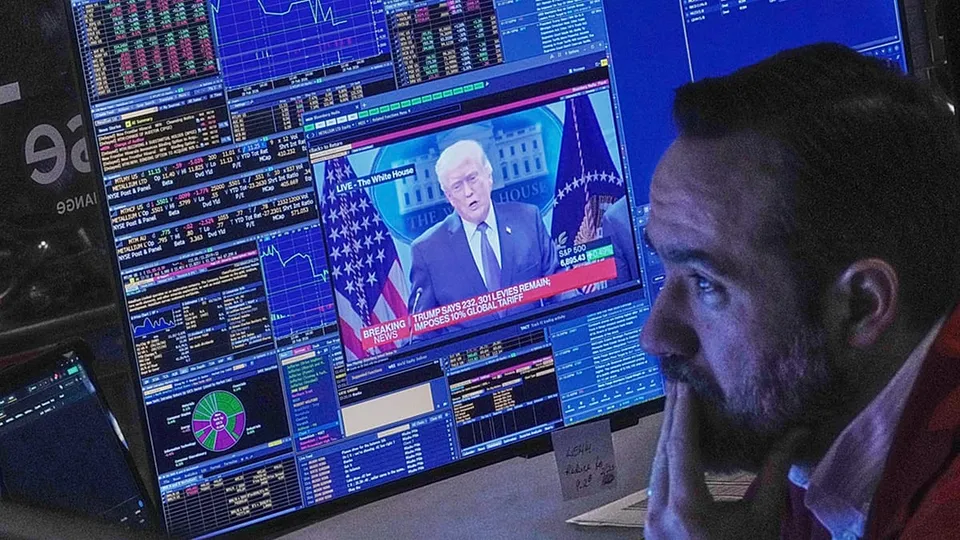
President Donald Trump announced an immediate 10% global tariff, supplementing existing duties, following a Supreme Court ruling that limited his executive authority on trade. The court, in a 6-3 decision, determined that Congress, not the president, holds the constitutional power to impose taxes, including tariffs, striking down tariffs previously enacted under the International Emergency Economic Powers Act (IEEPA).
Trump stated the decision "merely overruled a particular use of IEEPA" and that the administration would utilize "other statutes, other tariff authorities." The ruling does not prevent the White House from imposing duties under different legal frameworks, though these typically involve more stringent procedural limits.
Administration officials confirmed that existing national security tariffs under Section 232 and Section 301 tariffs remain in effect. The US is also initiating further investigations under Section 301 and other provisions to counter unfair trading practices. Alternative legal avenues include Section 301 of the Trade Act of 1974, which allows for retaliatory tariffs against unfair foreign trade practices but requires investigations and determinations, often within 12 months. Section 122 of the same act permits temporary import surcharges of up to 15% for a maximum of 150 days, specifically to address international payments problems, allowing for faster executive action but requiring Congressional extension.
Treasury Secretary Scott Bessent had previously acknowledged that these alternative methods are "not as efficient and not as powerful" as the IEEPA. The original tariffs faced challenges from businesses and states arguing the emergency law did not authorize such broad import taxes.