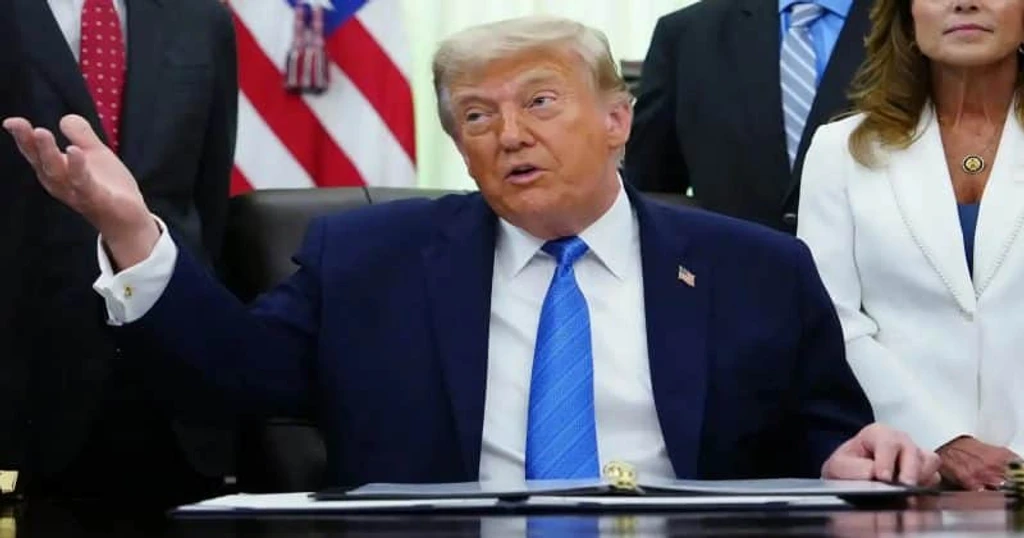
President Trump arrived at the G7 summit in Évian-les-Bains, France, carrying a framework agreement to end the US-Iran conflict that has unsettled global markets since February 2026.
The interim memorandum, expected to be signed around June 19 in Switzerland, establishes a 60-day ceasefire, reopens the Strait of Hormuz to commercial shipping, and initiates technical negotiations on Iran’s nuclear program. The potential release of $25 billion in frozen Iranian assets is also on the table. Pakistan served as a key mediator.
Global stock markets rallied on the news, while oil prices fell to multi-month lows as the risk premium evaporated. The reopening of the Strait of Hormuz, a waterway for roughly 20% of global oil trade, is the most immediate economic consequence.
The agreement carries specific weight for crypto markets. During the conflict, the US Treasury sanctioned Nobitex, Iran’s largest crypto exchange, and seized nearly $1 billion in Iranian-linked digital assets. A diplomatic thaw raises questions about whether Washington’s aggressive enforcement posture toward crypto-based sanctions evasion will soften.
Investors are also monitoring the dollar. A de-escalation of conflict typically weakens the dollar’s safe-haven appeal, a dynamic that has historically correlated with Bitcoin strength. However, the 60-day window is a starting point for talks, not a final treaty. European allies at the G7, including a vocal UK Prime Minister Keir Starmer, may attach conditions that complicate the negotiation process.