Living under bombardment is now daily life in Tehran. Barely an hour passes without explosions shaking the city. Nowhere feels safe.
We were among the first international news teams allowed into Iran since the war began. Our mission: assess how the Israeli-American air campaign affects civilians-and what Tehran plans next.
At strike sites, the answer was clear. Innocent civilians are paying the highest price. In one neighborhood, missiles destroyed a Basij center-but also flattened two residential blocks. A pensioner’s daughter was found dead in the rubble three days later.
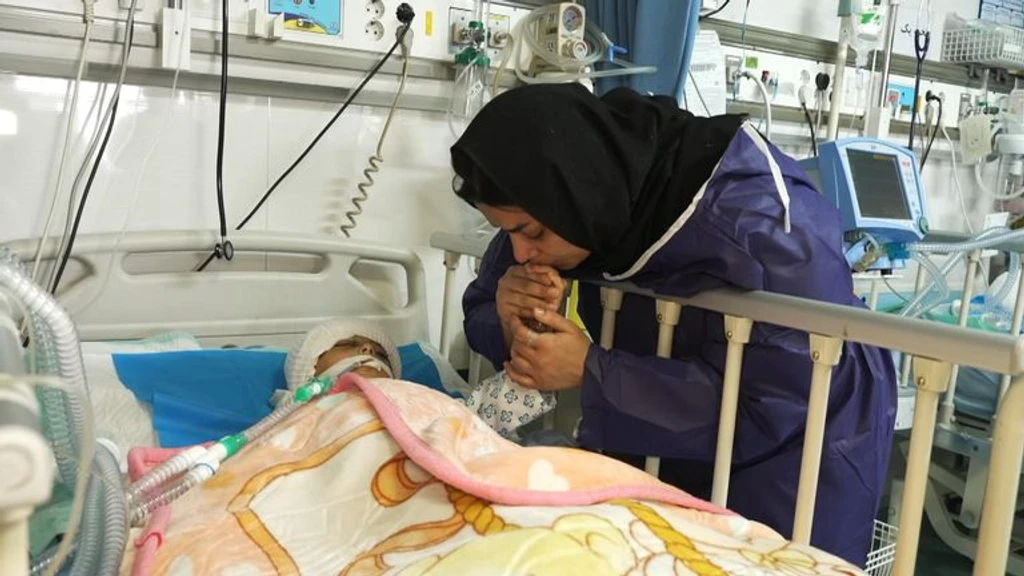
In hospitals, the toll is heartbreaking. Four-year-old Anita lies comatose with severe head trauma after her home was hit. Her mother pleads: "We are waiting for you." Downstairs, another woman cradles her adult son injured by shrapnel flung three blocks by a blast. "This war must stop," she said. "It is innocent civilians being hurt."
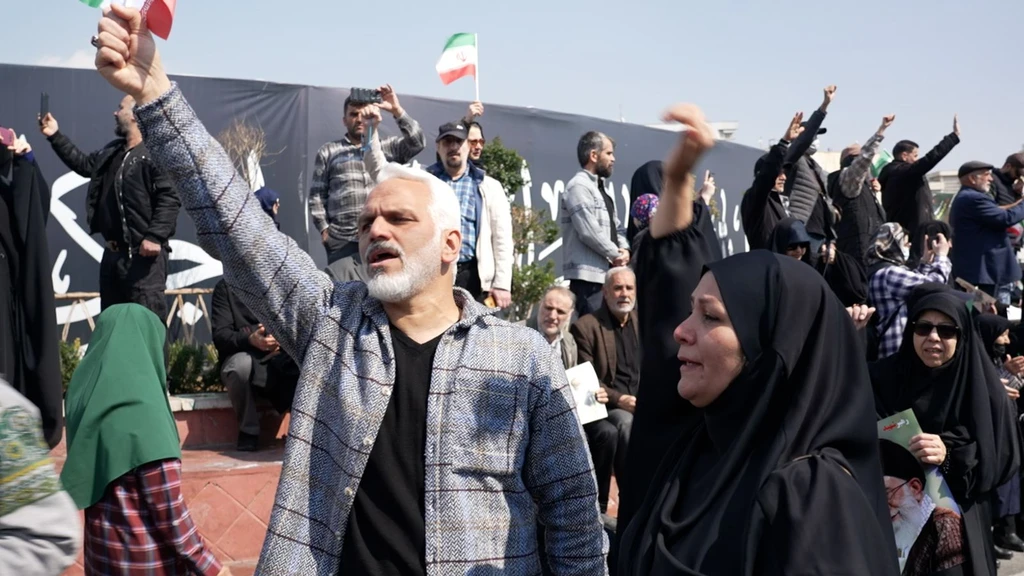
Despite internal unrest earlier this year-when security forces killed thousands during protests-the government now appears firmly in control. War has unified many Iranians, who see foreign strikes as attacks on the nation itself, not just the regime.
The funeral for top official Ali Larijani drew tens of thousands. Such displays reveal the limits of U.S.-Israeli strategy: targeting leaders in a culture that venerates martyrdom may only harden resolve.
Iran’s leadership, structured to regenerate like a hydra, shows no sign of collapse. Instead, it’s preparing for a long war-leaving ordinary citizens to face weeks, possibly months, of terror, uncertainty, and loss.