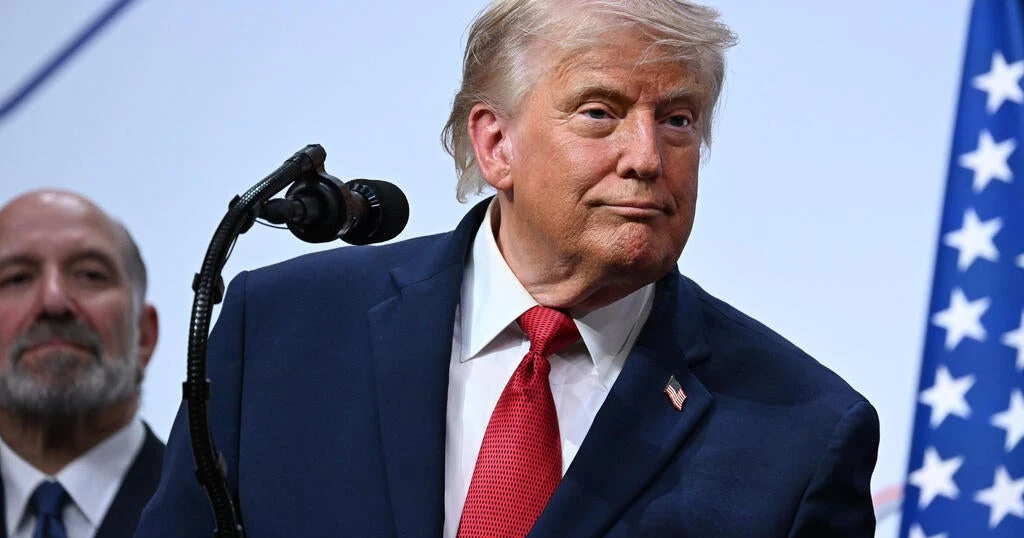
Washington - President Trump has signed a memorandum of understanding with Iran, launching a two-month negotiation period aimed at securing a permanent nuclear agreement. This framework replaces the 2015 Joint Comprehensive Plan of Action (JCPOA), which the administration previously deemed insufficient. Defense Secretary Pete Hegseth emphasized that unlike the prior accord, this new approach maintains the military option as a central enforcement mechanism.
The memorandum serves as a 14-point roadmap rather than a finalized treaty. It extends the current ceasefire and mandates technical talks over the next 60 days to determine the disposition of Iran’s enriched uranium stockpile. While the JCPOA capped enrichment at 3.67% for 15 years, the new framework requires downblending existing 60%-enriched material under International Atomic Energy Agency supervision. Specific limits on centrifuges remain undefined pending further negotiations.
A critical structural shift involves sunset clauses. The 2015 deal included expiration dates for key restrictions after 10 to 15 years. The current memorandum contains no such timelines. President Trump stated his objective is permanent restrictions limiting enrichment solely to nonmilitary purposes, rejecting the temporary nature of previous agreements.
Economic terms also diverge significantly. The memorandum grants Iran immediate waivers for oil and petroleum exports, contrasting with the phased sanctions relief of the JCPOA. Additionally, the text outlines a plan for $300 billion in regional reconstruction funding. However, President Trump clarified at the G7 summit that U.S. investment remains strictly voluntary and distinct from any treaty obligations.
Unlike the multilateral JCPOA involving China, Russia, and European powers, this memorandum is a bilateral U.S.-Iran agreement. It does not explicitly address ballistic missiles or state-sponsored terrorism. Administration officials indicated these security concerns will be handled through parallel efforts with Persian Gulf partners rather than within the nuclear framework itself.