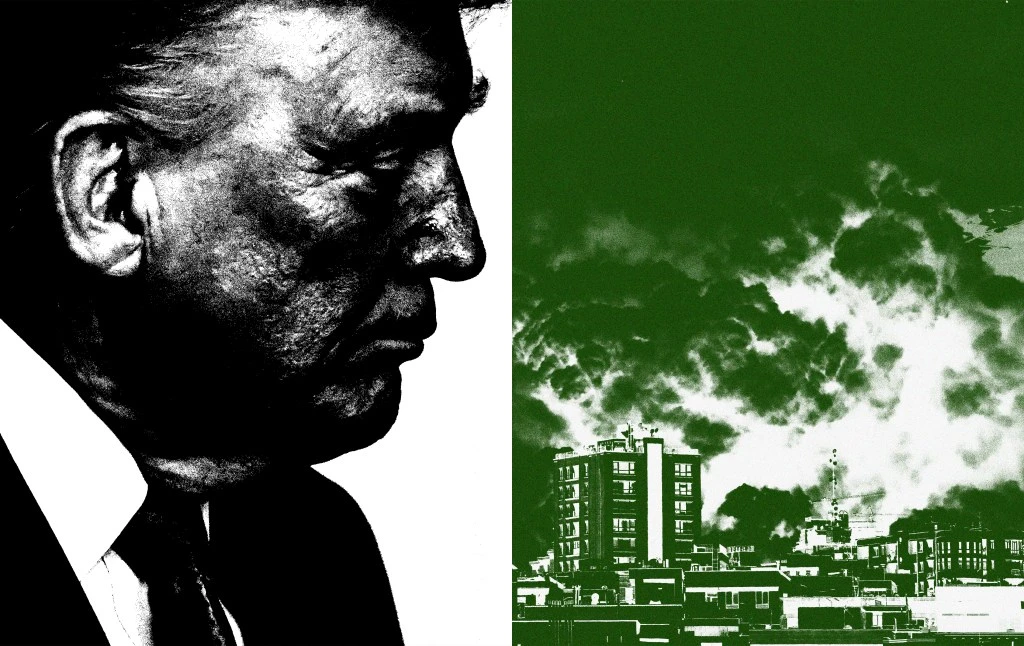
Donald Trump has dramatically altered the long-standing US approach to Iran, discarding established Republican caution. Unlike predecessors who softened stances after election, Trump pursued an aggressive strategy. This included the 2020 killing of Qassem Suleimani and military actions against Iran's nuclear sites.
This departure from bipartisan US policy, which previously aimed to avoid direct conflict, has surprised Iran's clerical regime. Decades of perceived immunity, built on ballistic missiles and proxy support, have been challenged. The recent Israeli-American military campaign has led to significant leadership losses within Iran, including Supreme Leader Ali Khamenei.
The regime faces a transitional period with a new triumvirate. Potential succession for the supreme leader role is complex, with hereditary claims facing internal challenges. Key figures like Gholam-Hossein Mohseni-Eje’i, a former prosecutor-general, and Alireza Arafi are emerging, alongside speculation about Khamenei's son, Mojtaba.
Despite internal disarray, the regime is gambling on outlasting Trump's presidency, believing a lack of ground invasion threat allows it to absorb attacks. Iran's analysis of US policy has often faltered, as seen in past reactions to Trump's inconsistent aggression and restraint.
Former figures like Mohammad Javad Zarif, instrumental in the nuclear deal, may face scrutiny. A consensus appears to be forming within Iran that accelerating the nuclear program was a missed opportunity. Figures like Ali Larijani, while influential, are unlikely to be granted the latitude for significant policy shifts.
Iran's revolutionary ideology, centered on martyrdom and exceptionalism, may fuel renewed commitment despite losses. The regime's priority remains internal repression, using its survival narrative to quell dissent. For decades, Tehran's actions, from supporting terrorism to direct aggression, have resulted in significant loss of American lives, underscoring a history of unparalleled hostility.