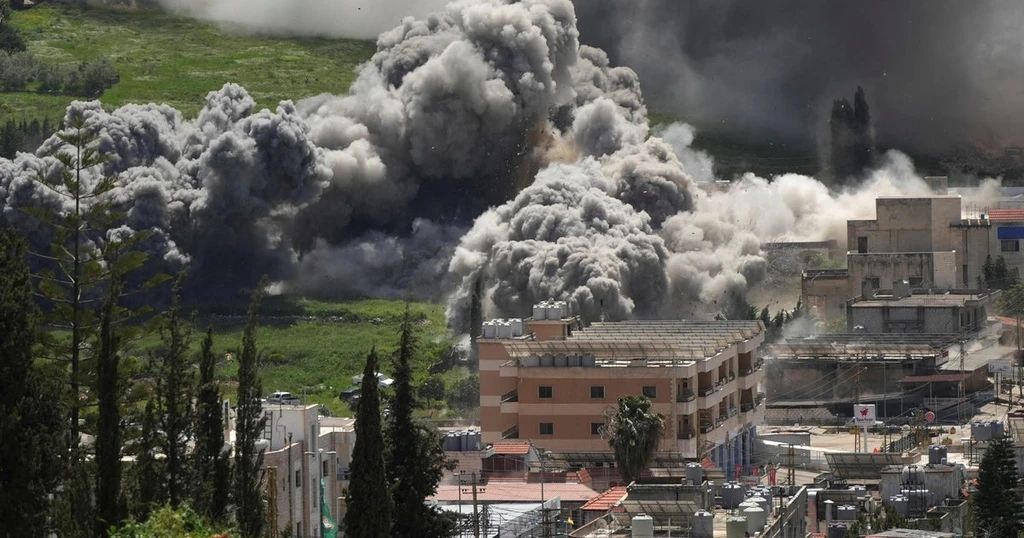
Diplomatic efforts to end the Iran war are intensifying. President Trump is promoting potential talks between Israeli and Lebanese leaders, the first in decades. This follows Israel's ongoing assault on Hezbollah in Lebanon, which threatened a fragile ceasefire.
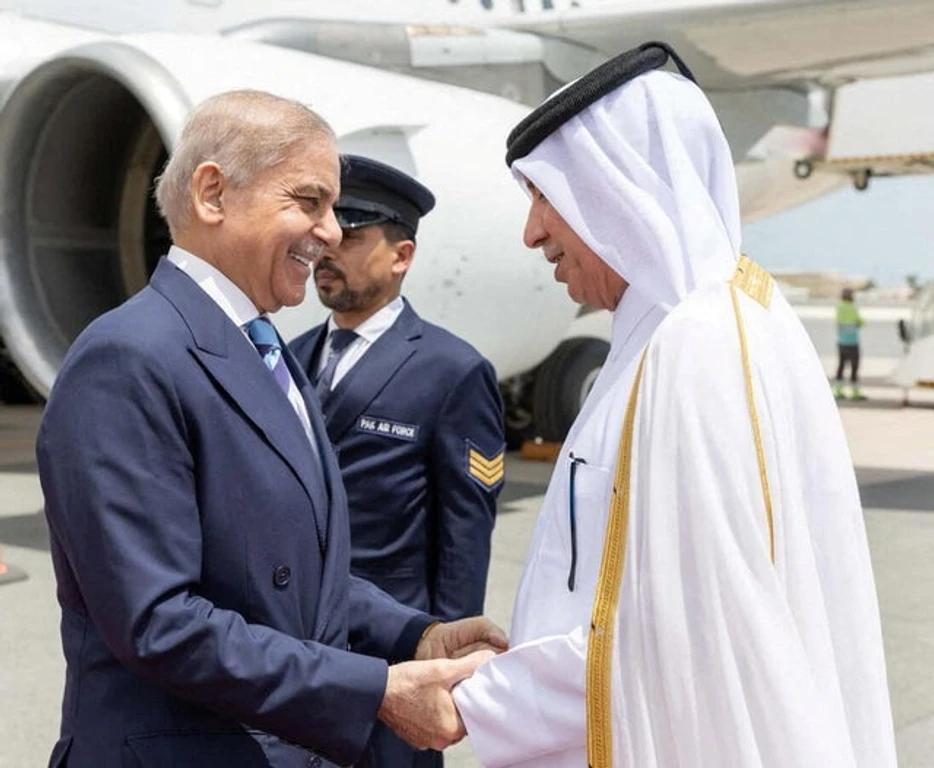
Top Pakistani officials are engaged in regional travel, including visits to Iran and Qatar, as part of efforts to orchestrate new U.S.-Iran talks. President Trump has expressed optimism about an imminent resolution to the war. Despite a ceasefire, the Strait of Hormuz remains largely closed to commercial shipping due to Iranian threats and a U.S. military blockade of Iranian ports, contributing to high global oil and gas prices.
Lebanon's President Joseph Aoun has stated that an Israeli withdrawal from southern Lebanon would be an essential step towards a ceasefire with Israel. He emphasized that direct talks would be conducted by Lebanese authorities. The U.K. has offered humanitarian assistance to Lebanon for those displaced by the conflict.
President Trump announced that Israeli and Lebanese leaders were scheduled to speak Thursday, following direct talks held the previous day. Israeli Intelligence Minister Gila Gamliel confirmed Prime Minister Benjamin Netanyahu would speak with Lebanese President Joseph Aoun. Iran, however, views Israel's actions in Lebanon as a violation of the current ceasefire.
China's Foreign Minister Wang Yi has urged Iran to reopen the Strait of Hormuz, stating it is a demand from the international community. China has also reportedly agreed not to send weapons to Iran.