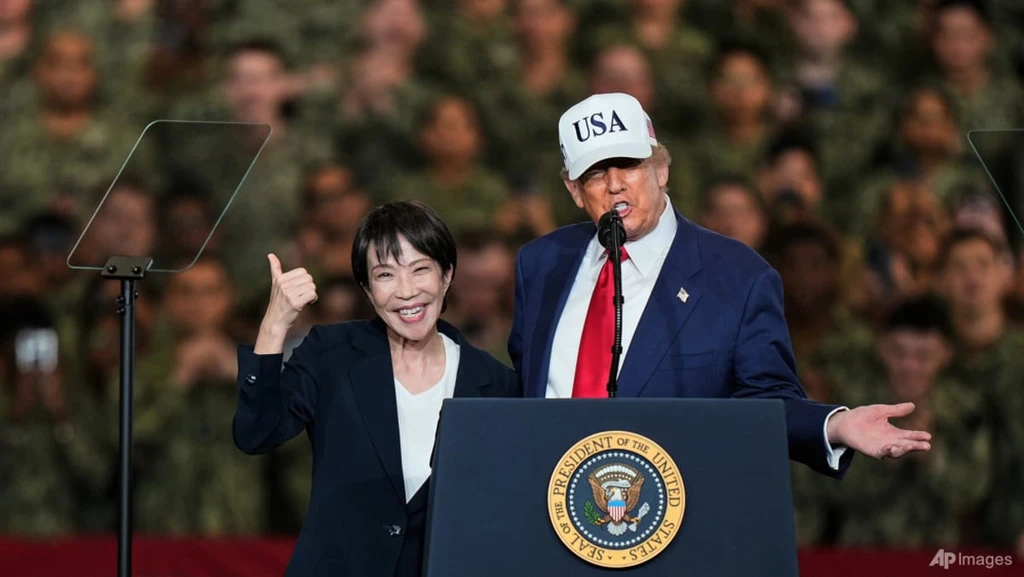
Japan is experiencing significant economic strain due to the ongoing conflict in the Middle East, impacting its energy security and currency value ahead of Prime Minister Sanae Takaichi's visit to Washington. The world's fourth-largest economy, heavily reliant on oil imports from the region, is facing rising prices with 70 percent of its crude passing through the Strait of Hormuz, which is now effectively closed.

Prime Minister Takaichi, 65, has announced a release from Japan's strategic oil reserves, citing severe impacts. The rising cost of oil, coupled with a weaker yen, increases Japan's import bill. Analysts warn that higher energy and food prices could hurt Takaichi's popularity, despite a recent landslide election victory.
Japan, a strong proponent of the rules-based international order, is navigating delicate diplomatic waters. Takaichi has been cautious in her public statements regarding the conflict to avoid angering President Trump, given the critical US security role in the region with 60,000 troops stationed in Japan.

Further complicating matters are ongoing concerns about US focus shifting away from the Asia-Pacific. Takaichi's visit is also expected to address Japan's pledge to invest US$550 billion in the US, a commitment made in exchange for tariff reductions. The Prime Minister aims to leverage her rapport with Trump to highlight the wider repercussions of the Middle East conflict and emphasize the multifaceted threat posed by China.