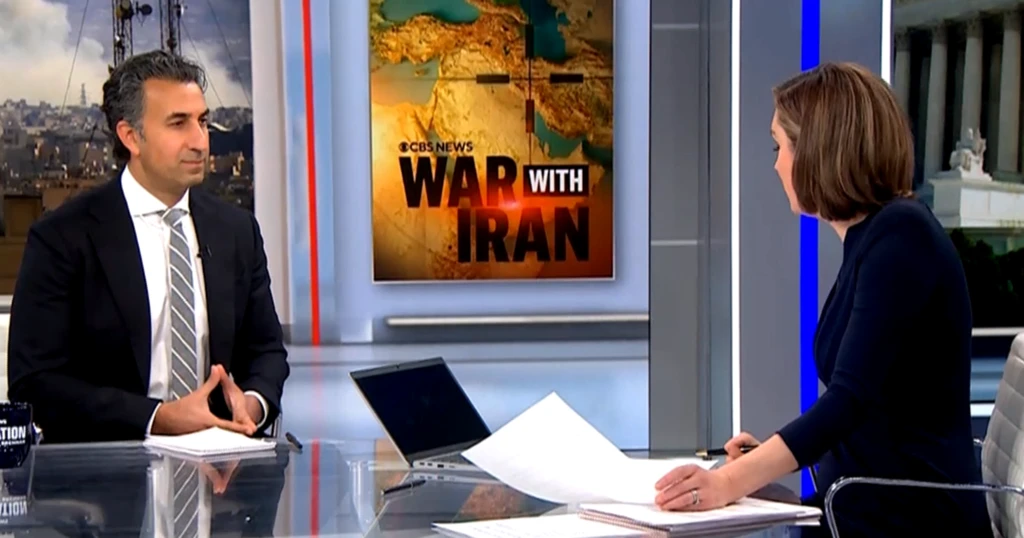
The death of Iran's long-serving dictator, Ayatollah Khamenei, has created a significant leadership vacuum. Iran policy analyst Karim Sadjadpour, from the Carnegie Endowment for International Peace, expressed skepticism about a clear successor emerging, noting the vast gap between the regime and its people. "I don't think that's even clear inside Tehran, who is the new leadership?" Sadjadpour stated. He described Iran as one of the most unpopular regimes globally, with a strong demand for a government prioritizing national interests over revolutionary ideology.
Retired General Frank McKenzie, former CENTCOM commander and CBS News contributor, assessed the current situation as the early stages of a campaign involving continued strikes by Central Command and Israel to degrade Iran's ability to launch rocket volleys. "The leadership targets have clearly had an effect, and I believe the loss of Iranian effective national level command and control is going to have a pernicious effect on their ability to wage this war," McKenzie explained. He acknowledged at least three American deaths and five seriously wounded, preparing the American public for several more days of exchanges and potential casualties. The immediate calculus, McKenzie noted, centers on reducing Iran's capacity to fire large numbers of rockets at regional bases and allied cities.
Sadjadpour believes the Iranian people, while currently spectators, could potentially rise up against the unpopular regime, which he estimates has only 15% support. He highlighted that Khamenei, who ruled for four decades, was the only leader most Iranians have ever known. McKenzie outlined potential endgame scenarios for the US, including a negotiable new regime or a successor state willing to discuss Iran's nuclear and ballistic missile programs. "We need to have an end game in view, but we shouldn't be thinking about an off ramp right now," McKenzie advised.