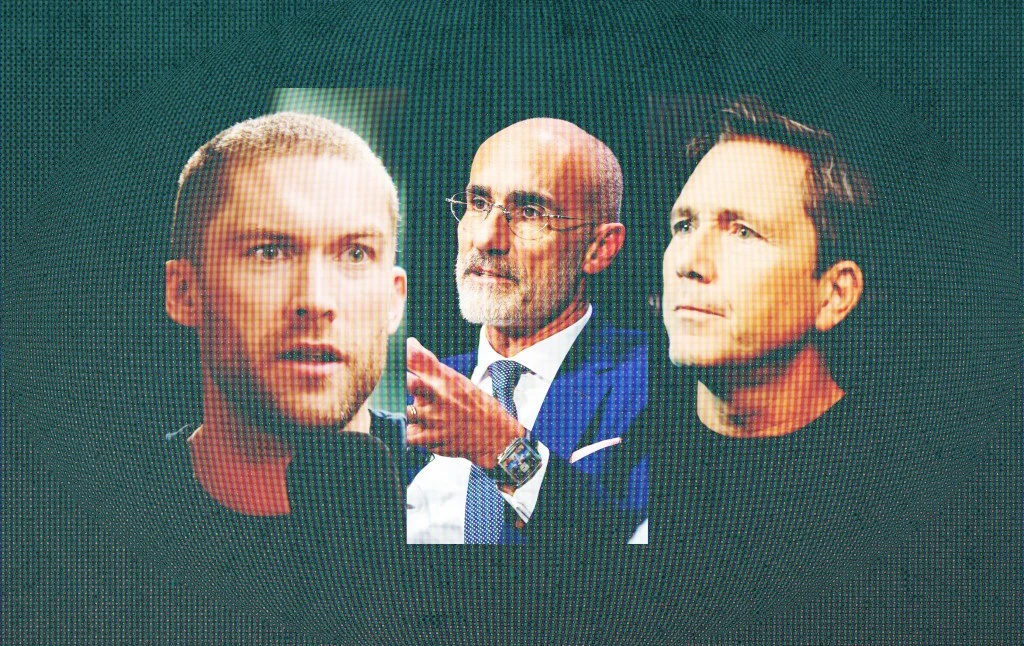
Scott Galloway, author of "Notes on Being a Man," presents a vision for manhood centered on protection, provision, and procreation, emphasizing kindness, generosity, and strength. This approach starkly contrasts with the toxic tenets of the "manosphere," which promote misogyny and social control.
Galloway is a key figure in the "Gentlemanosphere," a growing movement advocating for men to seek help, engage with the real world, build community, take risks, express emotions, and prioritize physical health.
This new wave of thought operates through both established figures like Galloway, Richard Reeves, David French, and Arthur Brooks, and influencers who bypass traditional media. These influencers, including Chris Williamson and Jocko Willink, offer practical guidance for personal improvement, steering clear of the speculative schemes often peddled by manosphere personalities.
Recent years have seen a growing acknowledgment of challenges faced by boys and young men, academically and mentally. The Gentlemanosphere offers empathy and attention to these struggles, reframing masculinity not as a problem to be cured, but as a foundation for well-being.
Unlike the zero-sum approach of some ideologies, the Gentlemanosphere believes that advocating for men and boys inherently elevates women and girls, fostering stronger families and societies. Arthur Brooks notes that masculinity and femininity can be mutually reinforcing, guiding both sexes toward finding meaning.
Despite the personal risks and severe criticism Scott Galloway faced for his book, he remains committed to sharing his experiences and lessons on manhood. He distinguishes his message from those who advocate for a return to traditional gender roles, denouncing the conflation of masculinity with cruelty.
Critics like Jessica Winter have attempted to categorize figures like Galloway and Reeves as "centrist manosphere" proponents. However, their work consistently emphasizes that men's struggles are genuine and worthy of attention, without promoting male supremacy. Richard Reeves' research highlights men's increasing need for women in modern society.
Figures like Lisa Britton have also faced skepticism from progressive circles for advocating for boys and men. Despite societal challenges, she perseveres, recognizing the critical need to address issues affecting men, who disproportionately experience premature deaths, homelessness, and academic struggles.
The challenges in addressing men's issues are amplified by media tropes that often portray men as passive actors or blame them for their own problems. This void has allowed alternative voices to flourish.
Chris Williamson's "Modern Wisdom" podcast has become a leading platform for thoughtful discussions on masculinity, filling a vacuum of advice for men. Williamson's journey reflects a generation seeking meaning and fulfillment, exploring topics from AI ethics to men's social psychology.
Williamson identifies a "third wave" of masculinity discourse, moving beyond pickup artistry and "red pill" ideologies. This wave embraces vulnerability and transparency, exemplified by figures like Chris Bumstead. The success of Gentlemanosphere leaders like Brooks, Reeves, and Galloway, Williamson notes, is marked by a gentle, inclusive approach that avoids unifying through mutual hatred of an outgroup.