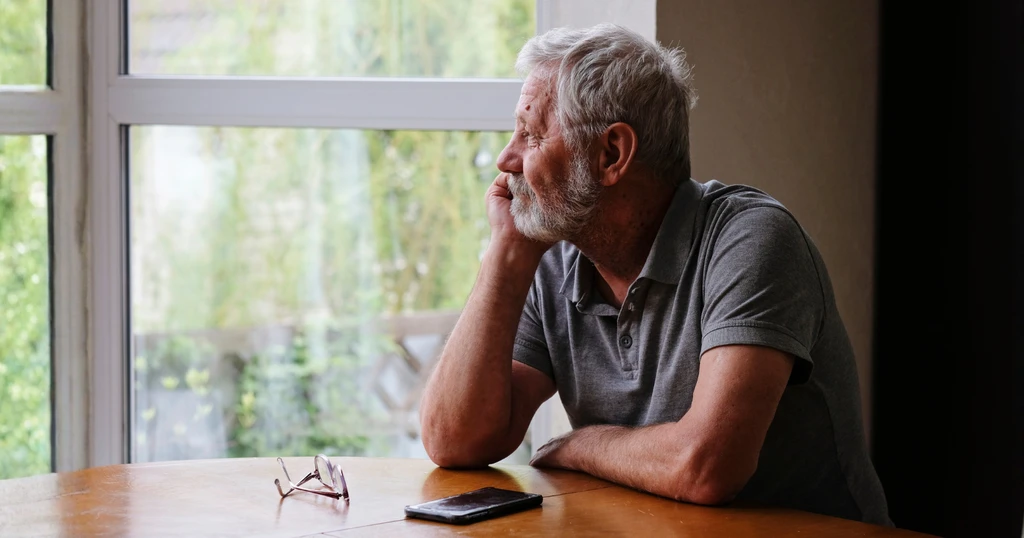
A 66-year-old retired tradesman found himself paralyzed outside a hardware store, unable to ask for directions to electrical tape. This moment revealed a deeply ingrained fear of admitting weakness, a legacy from a father who equated problem-solving with silent self-reliance.
Raised in a household where problems were to be endured, not discussed, the author's father exemplified this stoic ideal. He worked multiple jobs to avoid foreclosure without complaint and even drove himself to the hospital after a heart attack, unwilling to "bother anyone." This perceived strength, the author now realizes, was merely fear disguised as toughness.
Now retired, the author faces mounting health issues-high blood pressure and arthritis-compounded by an inability to manage stress, a concept he's spent sixty years denying. He struggles to articulate the existential dread of retirement without a defined identity and the deep-seated fear of dying like his father, consumed by unexpressed emotions.
Despite his wife Donna's encouragement and his son's suggestion of therapy, he finds himself unable to break decades of ingrained behavior. The act of asking for help, even for simple things, feels like a betrayal of his upbringing and his identity as a "man."
He recalls childhood lessons where pain was to be suppressed, a mindset that served him on demanding job sites but leaves him ill-equipped for personal crises. He has faced business near-failures and contractor disputes, always handling them alone.
His journal, a gift from his wife, offers a private outlet, yet it lacks the reciprocal support of human connection. The small victory of asking for electrical tape was a minor step, a crack in the fortress of self-reliance.
He is not yet capable of admitting he needs help without feeling like he's failing his upbringing. The alternative, facing insurmountable problems in isolation, is a slow, quiet death, mirroring his father's fate.