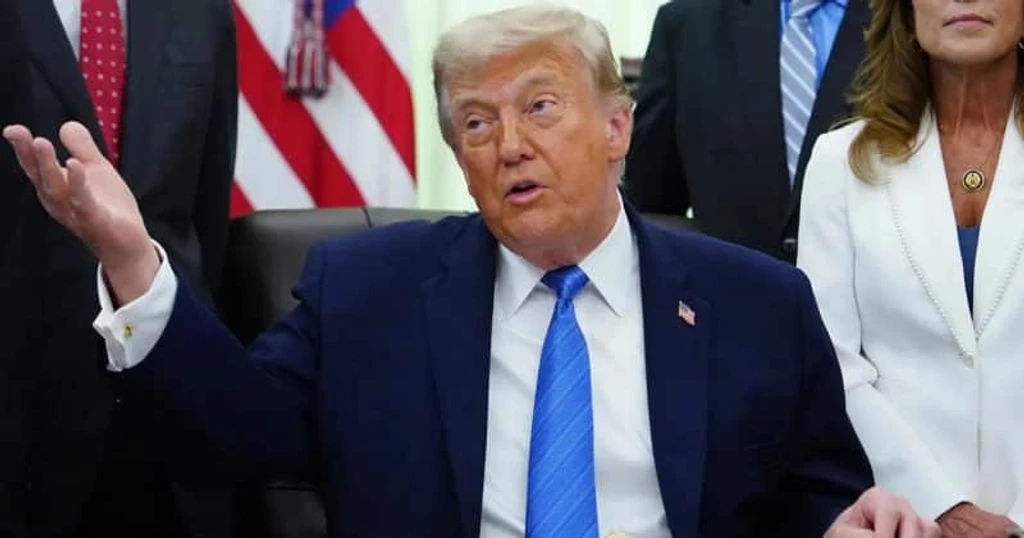
President Donald Trump has announced a conditional framework allowing Iran to access a $300 billion reconstruction and investment fund. Access to this capital is strictly contingent upon Tehran dismantling its nuclear program under international supervision.
The agreement establishes that funding will not come from U.S. taxpayers. Instead, the capital is backed primarily by Gulf states and private investors, with more than half already committed through private channels. Vice President JD Vance emphasized that fund disbursement remains tied directly to Iran meeting its stipulated obligations.
Beyond direct investment, the memorandum includes provisions for sanctions relief and the potential return of frozen Iranian assets. This diplomatic initiative coincides with intensified financial enforcement. U.S. authorities seized nearly $1.35 billion in Iranian-linked cryptocurrency assets between April and May 2026 targeting sanctions evasion.
For an economy largely isolated from global markets, this proposed capital injection represents a transformative shift. However, the deal's viability depends entirely on inspection timelines. The speed at which international monitors gain access to Iranian facilities will serve as the primary indicator of whether this agreement possesses genuine momentum.