Top national security officials have informed President Trump that the military is prepared for potential strikes on Iran. However, sources indicate any action is likely to extend beyond the upcoming weekend, as Mr. Trump has not yet made a final decision. Discussions are fluid, with the White House assessing risks and consequences of both action and restraint.
The Pentagon is temporarily relocating some personnel from the Middle East, a standard practice ahead of potential U.S. military operations. Secretary of State Marco Rubio is scheduled to meet with Israeli Prime Minister Benjamin Netanyahu in two weeks for further discussions.
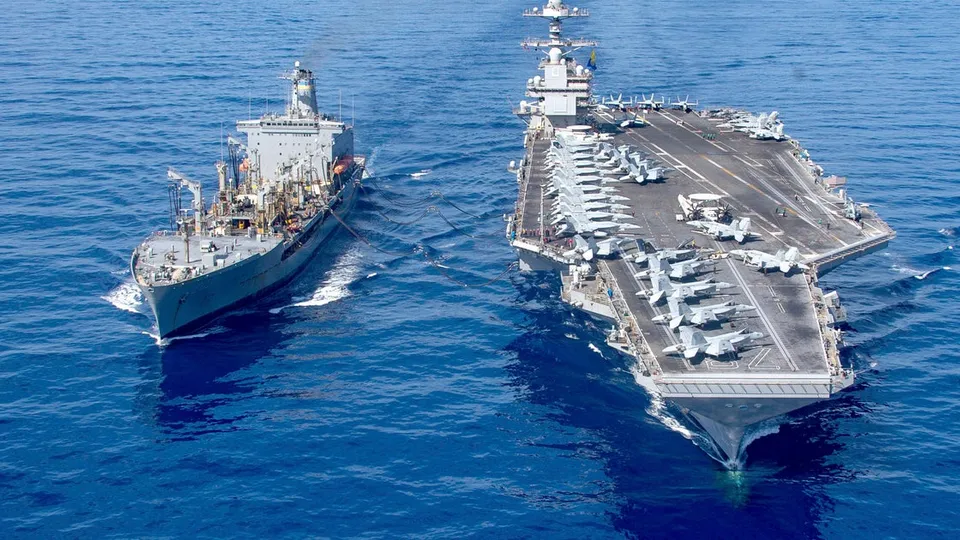
White House Press Secretary Karoline Leavitt stated there are "many reasons and arguments" for a strike against Iran, but diplomacy remains the president's primary option. She highlighted a "successful operation in June that targeted Iran's nuclear facilities." The USS Abraham Lincoln and USS Gerald Ford carrier groups are positioned in or en route to the region.
Iran's Supreme Leader Ayatollah Ali Khamenei posted an AI-generated image of the USS Gerald Ford at the bottom of the ocean, issuing a veiled threat. Mediated talks on Iran's nuclear program are ongoing, with U.S. officials noting progress but significant differences remaining. Follow-up consultations have not yet been scheduled. Iran has warned pilots to avoid its southern region due to upcoming rocket launches.