Around 2,000 ships, including oil tankers, bulk carriers, and cargo vessels, are trapped in the Persian Gulf, unable to transit the Strait of Hormuz due to the ongoing Middle East conflict. Iran borders the strait and has stated it will only allow passage to "non-hostile" ships.
![A cargo vessel sails in the open seas. (file)]
Since the conflict began a month ago, there have been 19 attacks on vessels in the strait. Seven seafarers have been killed, eight injured, and five are missing. A fully loaded oil tanker was struck off Dubai this week, likely by a drone.
![A satellite photo shows the strategically important shipping route of the Strait of Hormuz.]
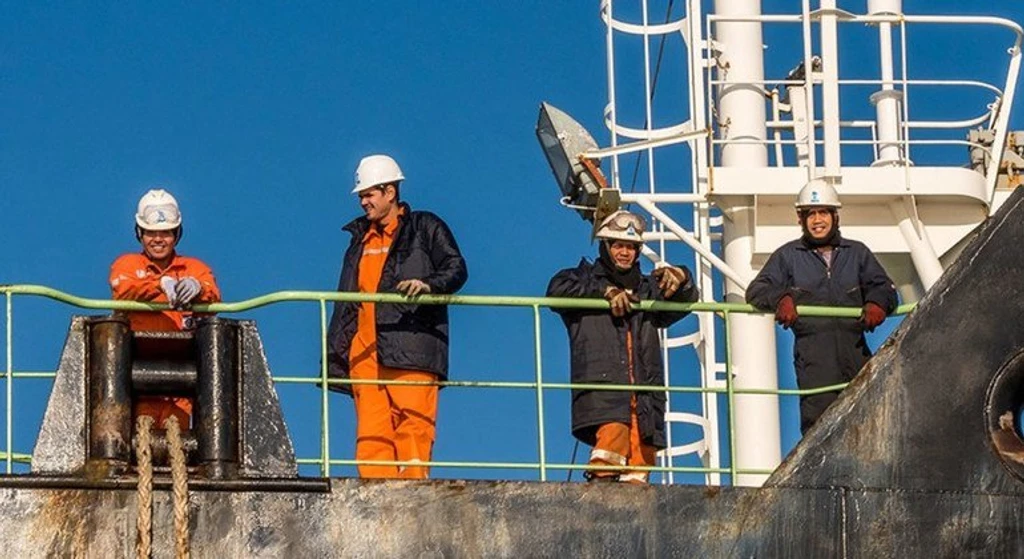
The International Maritime Organization (IMO) is focused on evacuating and ensuring the safety of the 20,000 stranded seafarers. "There is no precedent for the stranding of so many seafarers in the modern age," said Damien Chevallier, Director of the IMO's Maritime Safety Division. Crews are being resupplied by companies operating from Saudi Arabia and Oman.
The IMO has asked Iran for clarification on what constitutes a 'hostile' ship. The strait is critically important, handling about 20% of global oil and gas supplies. An internationally agreed traffic separation scheme maps the safest route, but few transiting vessels have taken a northern route closer to Iran for monitoring.
The IMO's short-term aim is crew safety, but there are longer-term concerns. "If seafarers do not feel safe... it will be difficult to attract the next generation," Chevallier explained, noting global trade depends on them.