US President Donald Trump signed a landmark agreement with Iran on Wednesday, immediately ending hostilities and reopening the Strait of Hormuz. The deal requires Tehran to dilute its enriched uranium stockpile while Washington waives specific sanctions, allowing Iran to resume oil exports. Pakistani Prime Minister Shehbaz Sharif mediated the accord, which initiates a 60-day negotiating window for a permanent nuclear settlement.
The signing took place at Versailles during Trump’s visit with French President Emmanuel Macron. Secretary of State Marco Rubio witnessed the execution of the document following digital approval by Vice President JD Vance. Iranian President Masoud Pezeshkian simultaneously signed the agreement in Tehran, confirming the cessation of conflict that had disrupted global energy markets.
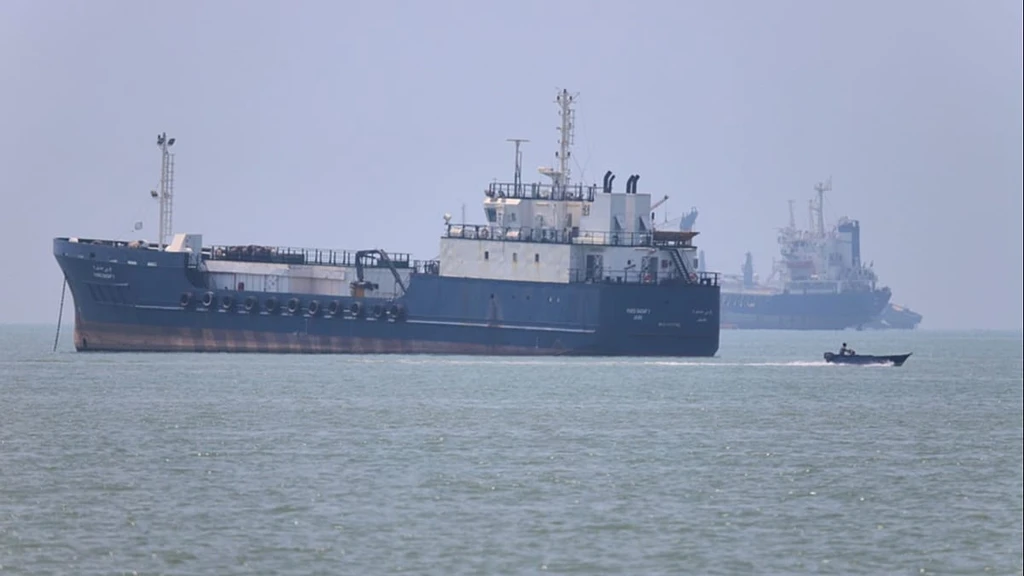
Crucially, the agreement restores toll-free passage through the Strait of Hormuz for two months. This reopens access to approximately twenty percent of the world’s oil and natural gas supplies, alleviating the historic energy crisis triggered by the waterway's closure. While sanctions are waived to facilitate trade, they remain technically in place pending final negotiations.
The accord also addresses regional stability, affirming Lebanon’s territorial integrity amidst ongoing tensions between Israel and Hezbollah. However, significant friction points remain regarding Israeli occupation and Iranian demands for withdrawal. President Trump characterized the memorandum as a strong show of goodwill but explicitly warned that military operations would resume if diplomatic efforts fail within the designated timeframe.