World War II presented a strategic paradox: the United States dispatched over 5 million troops to Europe, despite Japan's attack on Pearl Harbor. This decision, even after Germany declared war on the U.S., defied a 'Japan First' approach favored by some, like Admiral Ernest King. Instead, America embraced a 'Germany First' strategy, a choice that illuminated its evolving role on the global stage.
This strategic alignment, pre-war-gamed with Britain, prioritized Germany as the Axis's industrial and resource center. However, President Franklin Roosevelt framed the war not just on military might, but on moral grounds, emphasizing the threat of Nazi domination to Europe and democratic principles worldwide. His "neighborhood of nations" concept, articulated through ideas like the Four Freedoms and the Atlantic Charter, underscored a vision of a world built on shared ideals, not just transactional self-interest.
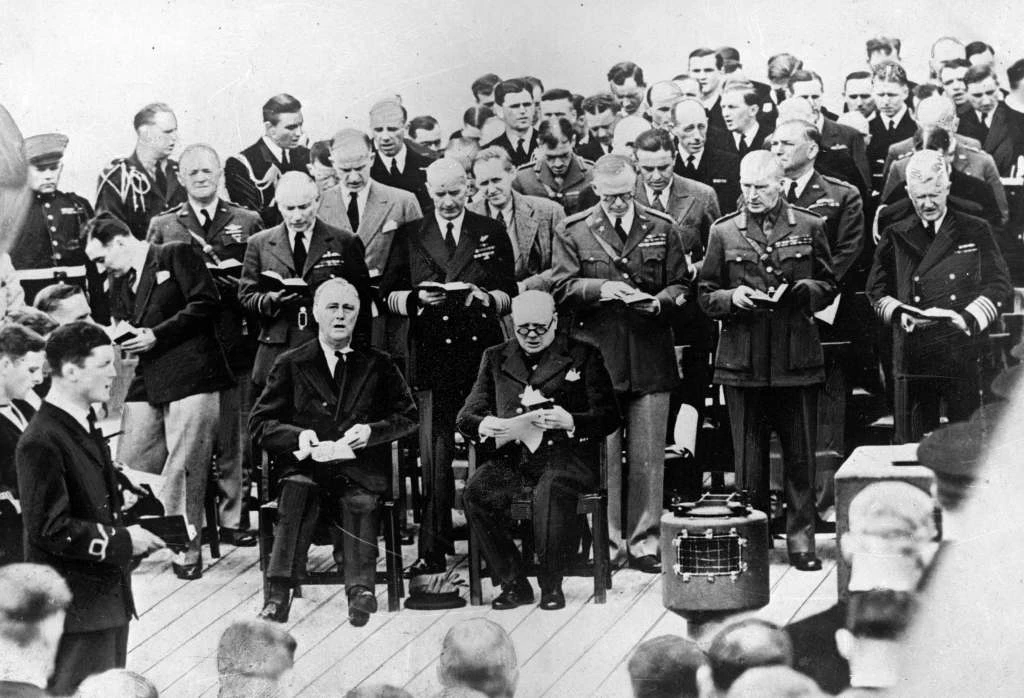
The Four Freedoms-speech, religion, from want, and from fear-contrasted sharply with the Nazi vision of enforced order. The Atlantic Charter, co-authored with Churchill, formalized these aims, advocating for self-governance, free trade, disarmament, and lasting peace. This charter laid the groundwork for the post-war liberal international order, embodied by institutions like NATO.
America's decision not to conquer territory after its overwhelming victory in 1945, but to demobilize and return home, is a testament to these guiding ideals. This post-war restraint, a reenactment of George Washington's own relinquishing of power, underscored American beliefs in limited government, republican liberty, and a cooperative global community. The legacy of World War II, therefore, is not just military victory, but the global propagation of American ideals.