The U.S. State Department has authorized non-emergency personnel and their family members to depart Israel, citing unspecified safety risks. This action coincides with ongoing U.S. negotiations with Iran regarding its nuclear enrichment program.
Recent indirect talks, brokered by Oman, saw Iran's top diplomat report some progress toward a new agreement. However, external experts suggest a deal both sides can accept remains unlikely, potentially increasing the prospect of U.S. military action.
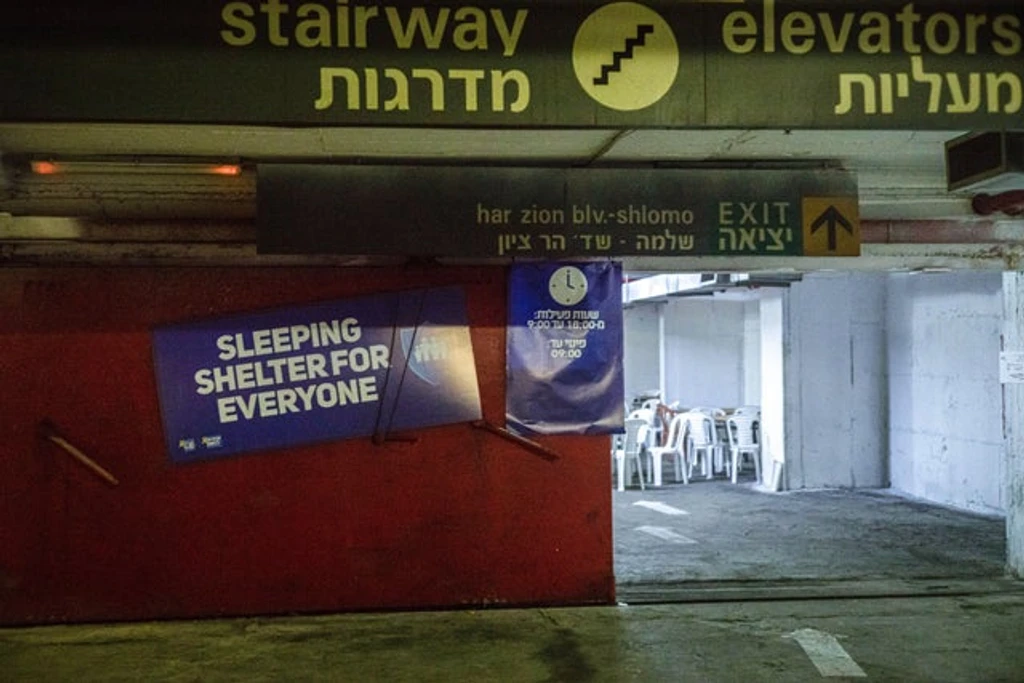
While the State Department did not explicitly mention Iran in its travel guidance, the advisory noted that the U.S. Embassy may restrict travel to certain areas of Israel, Jerusalem's Old City, and the West Bank in response to security incidents. It advised that "Persons may wish to consider leaving Israel while commercial flights are available."
U.S. special envoys have been leading negotiations with Iran. Iranian Foreign Minister Abbas Araghchi stated that while understanding exists on some issues, differences remain. He indicated that technical teams would begin work in Vienna this week to develop a framework for addressing technical issues related to Iran's nuclear program, with a fourth round of negotiations planned for the following week.

President Trump has expressed a preference for a negotiated solution to Iran's nuclear program. Vice President JD Vance confirmed that military strikes remain an option to prevent Iran from acquiring nuclear weapons, but diplomacy is also being pursued. Vance downplayed concerns that any U.S. strike could lead to a protracted regional war.
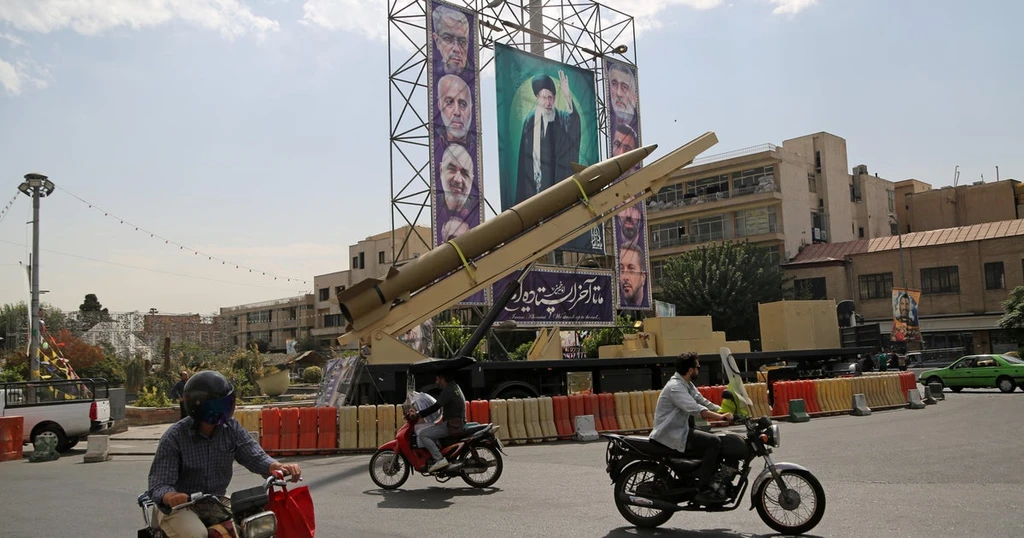
Past military actions, including U.S. strikes on Iranian nuclear facilities in June and subsequent Iranian missile launches at Israel and a U.S. military base in the Middle East, highlight the volatile security situation. Despite Israel inflicting damage on Iran's ballistic missile capacity, concerns persist about Iran's restocked arsenal.
Retired U.S. Army Lt. Gen. H.R. McMaster, a CBS News contributor, predicted that ideological differences would prevent concessions from Iran, potentially leading to further military conflict. He suggested that any opening campaign by the U.S. would be extensive.
Several other countries, including Australia, India, Brazil, Singapore, and European nations, have also issued travel warnings for Iran and urged their citizens to leave the country due to the deteriorating regional security situation.