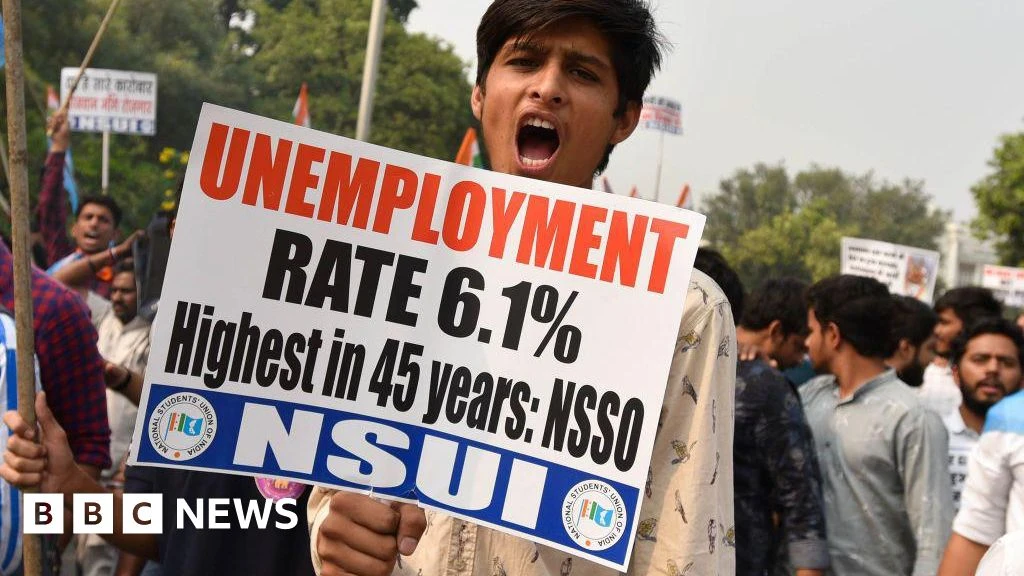
India’s youth population-367 million strong-is the world’s largest. Yet a paradox defines their reality: they are the most educated generation in the country’s history, but also among the most jobless.
Nearly 40% of graduates aged 15-25 are unemployed, far outpacing joblessness among the less educated. Only a fraction secure stable, salaried roles within a year of finishing school.
The issue isn’t new-graduate unemployment has hovered near 35-40% since the 1980s-but scale makes it urgent. India now produces five million graduates annually, yet fewer than three million find jobs each year, with even fewer landing formal employment.
Economic growth has created work, but not the right kind. Half of the 83 million jobs added post-pandemic were in low-productivity agriculture. For women, rising participation often reflects necessity: most new roles are in unpaid or home-based labor, not professional advancement.
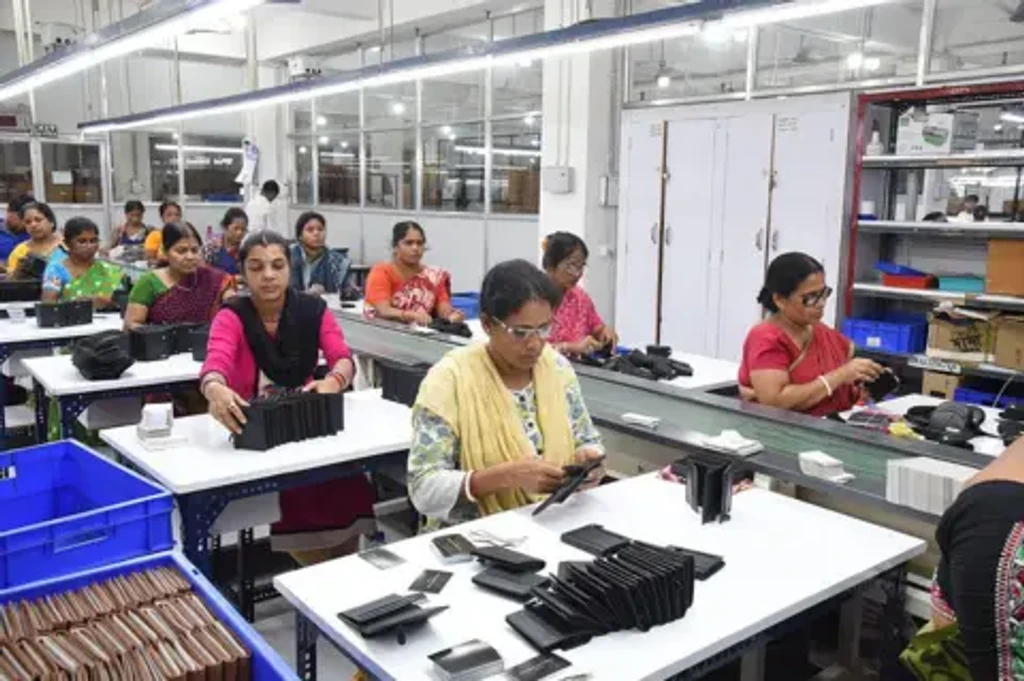
Higher education access has expanded dramatically-colleges grew from 1,600 in 1991 to nearly 70,000 today-but quality lags. Private institutions dominate, yet vocational training rarely connects to real jobs. Meanwhile, young men are increasingly leaving school early to support families, reversing decades of progress.
Migration offers a stopgap: workers flow from poorer states like Bihar to industrial hubs in Tamil Nadu and Karnataka. But this highlights regional inequality rather than solving it.
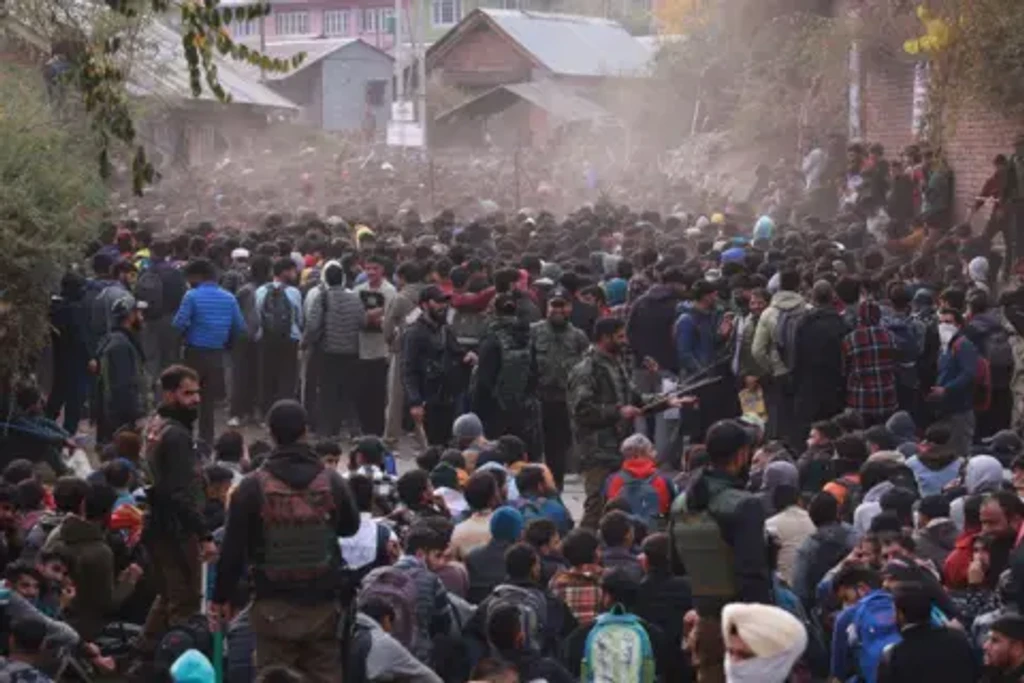
India’s growth model-driven by skill-intensive services like IT, not export-led manufacturing-limits pathways for non-graduates. With the demographic window peaking around 2030, economists warn time is running out to convert this youth bulge into an economic dividend.
Without aligned education-to-employment pipelines and massive formal job creation, millions risk permanent underemployment.