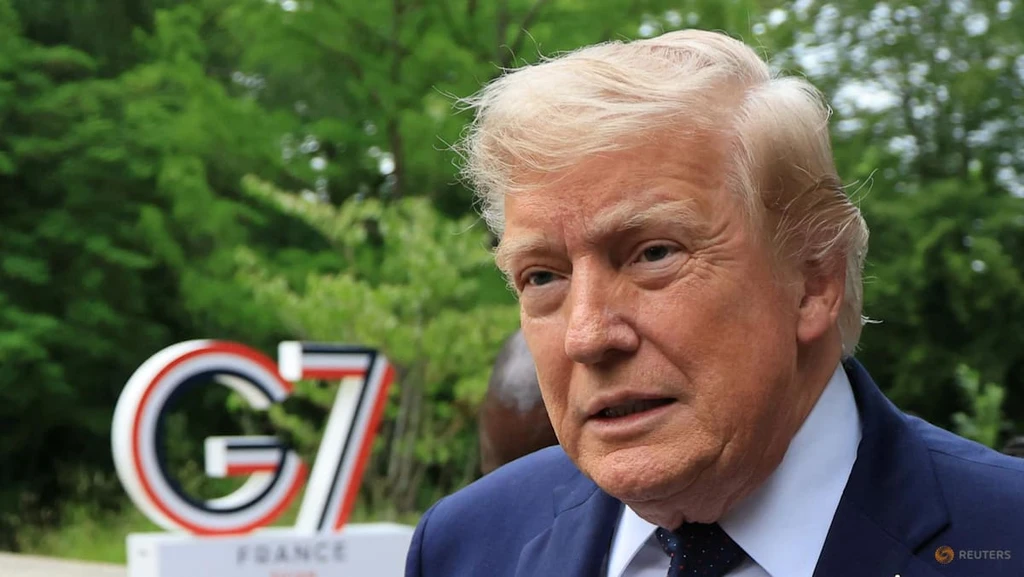
EVIAN-LES-BAINS, France - Details of the interim agreement between the United States and Iran began to surface Tuesday at the G7 summit. President Donald Trump confirmed the deal permanently blocks Tehran from obtaining a nuclear weapon while an administration official noted it permits Iran to sell oil immediately upon signing.
The memorandum of understanding extends a fragile April ceasefire by an additional 60 days to allow negotiations for a permanent truce. It ends the US blockade of Iranian ports and requires Tehran to restore maritime traffic through the Strait of Hormuz, a critical chokepoint blocked since late February.
Trump stated the full text would be formally publicized within days. The accord faces domestic political headwinds for both leaders, exposing the President to Republican criticism ahead of November midterm elections while Iran risks renewed protests if economic pressures are not eased.
Israel, which has not directly participated in the talks, has distanced itself from the agreement. Prime Minister Benjamin Netanyahu asserted Israel is not bound by the deal, contradicting Vice President JD Vance’s statement that the terms encompassed Israel and Lebanon. The conflict has claimed over 7,000 lives in the region.
Looking ahead, difficult talks remain on Iran’s nuclear program. Absent from the current agenda, however, are the dismantling of Iran’s ballistic missile program and the cessation of support for anti-Israel militias. Oil prices slid over five percent following the announcement, though industry officials predict a slow recovery for regional output.
Shipping companies remain cautious. Both sides state the Strait of Hormuz will be open from Friday, but Iran’s Revolutionary Guards will still coordinate vessel movements.