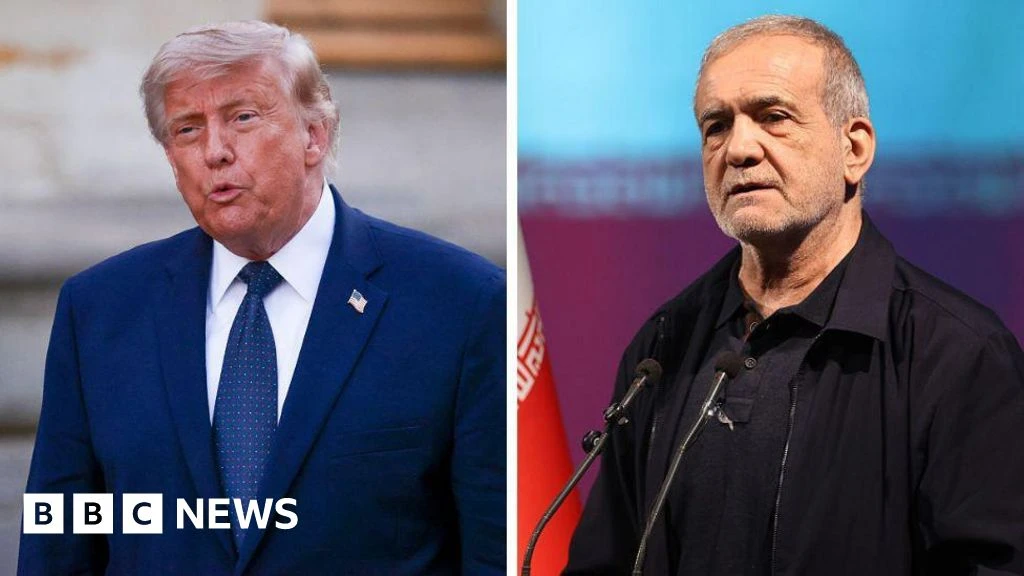
The presidents of the United States and Iran have signed an initial peace agreement aimed at ending active hostilities. Signed during the G7 summit in France, the memorandum takes effect immediately and includes provisions to reopen the Strait of Hormuz, terminate US sanctions, and establish a framework for Iranian reconstruction.
Critical issues regarding Iran’s nuclear program remain unresolved. The agreement mandates a 60-day extendable negotiation period. During this window, Iran reaffirms it will not develop nuclear weapons, and enriched uranium will be down-blended under IAEA supervision. President Donald Trump stated the deal prevents global economic catastrophe but warned military action remains an option if final terms fail.
Market reaction was immediate. Brent crude dipped approximately one percent following the announcement, though prices remain elevated compared to pre-conflict levels. The Strait of Hormuz, a vital artery for twenty percent of global oil and LNG, will see transit charges suspended for sixty days. However, Iranian officials indicated fees could return after this grace period expires.
Domestic opposition to the agreement is fierce. Republican lawmakers, including Senators Ted Cruz and Bill Cassidy, criticized the reconstruction fund and termed the deal a foreign policy blunder. Democrats argued the memorandum fails to address regional proxies like Hezbollah or ballistic missile concerns. Despite bipartisan skepticism, the administration maintains no direct US funds will transfer to Tehran, though frozen Iranian assets may eventually be returned.
Tensions with ally Israel persist alongside the diplomatic breakthrough. While the memo calls for a cessation of military operations on all fronts, Israel continues strikes against Hezbollah in Lebanon. President Trump publicly advised Israeli Prime Minister Benjamin Netanyahu to exercise restraint to avoid jeopardizing the fragile peace process.