U.S. Central Command has categorically denied Iranian claims that the Strait of Hormuz is closed to commercial traffic. Despite Tehran’s warning that all vessels would be targeted following renewed American airstrikes, U.S. officials confirm ships continue transiting the critical oil chokepoint. President Trump stated that a secret mission has already facilitated the movement of 100 million barrels through the channel since hostilities resumed.
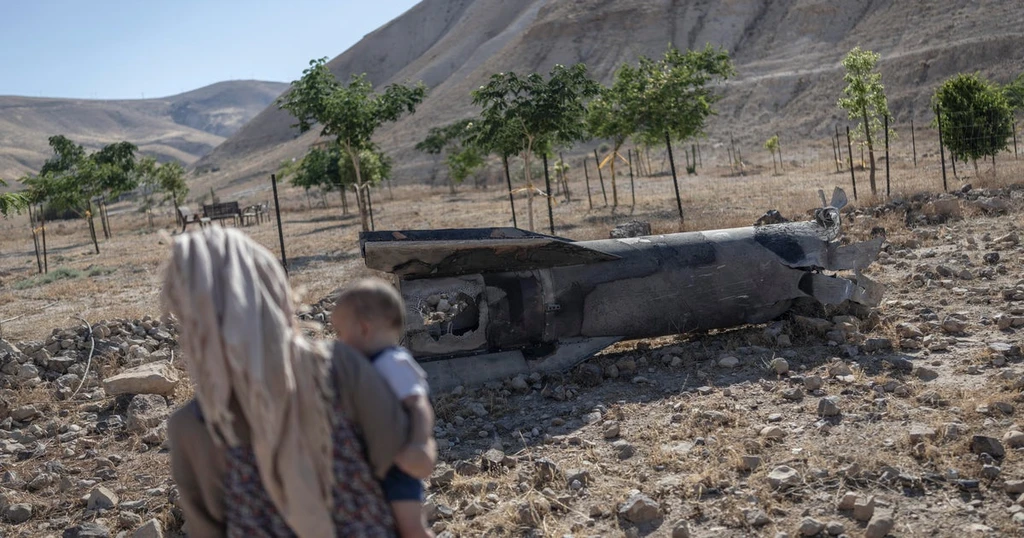
The maritime dispute coincides with a significant escalation in kinetic operations. U.S. forces launched fresh self-defense strikes targeting Iranian ammunition depots and command nodes early Thursday. In retaliation, Iran’s Revolutionary Guard Corps fired ballistic missiles at Al-Azraq Air Base in Jordan and launched attacks intercepted by air defenses in Kuwait and Bahrain. Falling debris from an intercepted drone in Bahrain injured a child and damaged civilian infrastructure.
Tensions have spilled into international shipping lanes with lethal consequences. Three Indian mariners were killed when U.S. forces disabled the Palau-flagged tanker Settebello for allegedly violating the blockade on Iranian ports. India summoned a senior U.S. diplomat to lodge a formal protest over the strike. Separately, U.S. forces struck an Iranian cargo dhow in the Gulf of Oman, though all crew members were rescued.
Diplomatic channels remain active despite the violence. A Qatari negotiating team returned to Doha after overnight talks in Tehran, while Pakistan continues mediation efforts toward a negotiated settlement. However, optimism is fading as both sides exchange heavy fire. President Trump warned that Tehran would pay a steep price for rejecting peace terms, even as foreign diplomats attempt to broker a ceasefire.