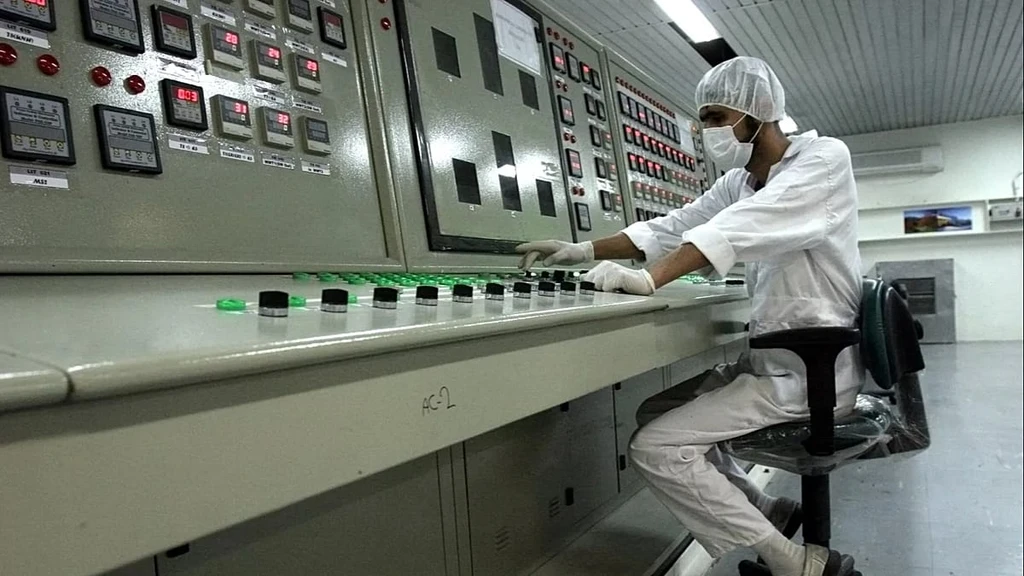
The International Atomic Energy Agency (IAEA) board of governors has formally demanded that Iran provide complete information on its nuclear material stockpiles and grant immediate access to inspectors. The resolution, passed in Vienna, underscores the urgent need to verify there is no diversion of nuclear material.
Twenty-one nations voted in favor of the measure, which was spearheaded by France, the United Kingdom, Germany, and the United States. Russia, China, and Niger opposed the motion, while ten countries abstained. The vote aims to maintain diplomatic pressure on Tehran to comply with its legal safeguards obligations under the Nuclear Non-Proliferation Treaty.
This diplomatic move occurs against a backdrop of severe military escalation. Following US airstrikes on Iranian targets earlier Wednesday, tensions in the Middle East have surged. Since the June 2025 conflict involving US and Israeli strikes on Iranian nuclear facilities, Tehran has denied IAEA inspectors access to affected sites. Consequently, the agency cannot verify the status of Iran’s uranium reserves.
The IAEA reports that Iran holds 440.9 kilograms of uranium enriched to 60% purity. This level is a short technical step from the 90% required for weapons-grade material. IAEA Director General Rafael Grossi warned that this stockpile is sufficient for approximately ten nuclear bombs if weaponized, though he clarified that Iran has not yet taken that step.
Iran maintains its program is purely peaceful. However, the IAEA board expressed deep regret over Tehran’s failure to address non-compliance issues dating back to 2019, specifically regarding uranium traces found at undeclared sites. While the current resolution stops short of referring Iran to the UN Security Council for new sanctions, it explicitly leaves that option open for future action.