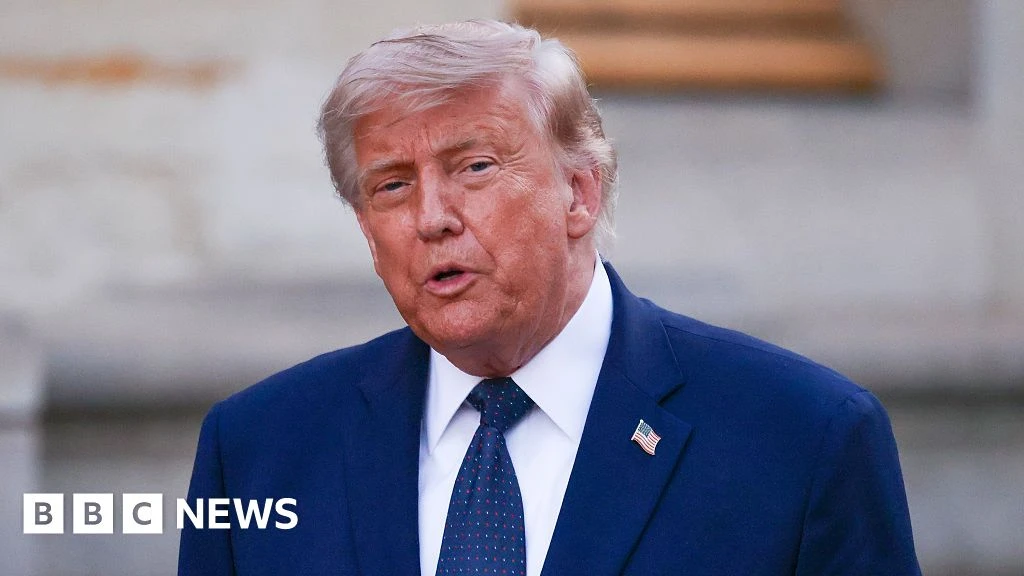
A landmark US-Iran ceasefire agreement is now in effect following President Donald Trump’s signature at the G7 summit in Evian-les-Bains, France. The 14-point Memorandum of Understanding mandates an immediate end to military operations on all fronts, including Lebanon, and commits both nations to negotiate a final binding deal within 60 days.
The agreement prioritizes global energy stability by requiring Iran to restore safe, toll-free commercial passage through the Strait of Hormuz immediately. In exchange, the United States will dismantle its naval blockade of Iranian ports within 30 days and withdraw military forces to pre-conflict positions once a final deal is secured.
Economically, the deal establishes a $300 billion reconstruction fund for Iran financed entirely by regional partners rather than US taxpayers. Concurrently, Washington will terminate unilateral and UN sanctions while releasing frozen assets as Tehran demonstrates compliance. This performance-based structure ensures economic relief remains contingent on verified adherence to terms.
Crucially, Iran has agreed never to procure nuclear weapons. Existing enriched uranium stockpiles will be downblended under International Atomic Energy Agency supervision. A status quo arrangement currently permits limited oil exports via waivers until a comprehensive monitoring mechanism and final UN Security Council resolution are established.