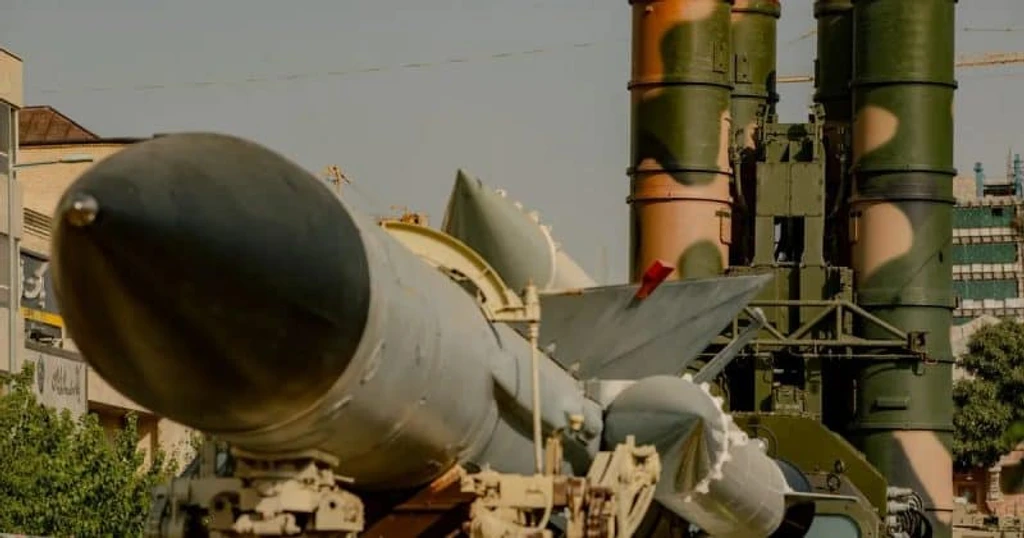
The United States launched a second wave of attacks late June 9, specifically targeting Iran’s air defense and radar infrastructure. This action aligns with sustained air campaign doctrine aimed at suppressing adversary detection capabilities for follow-on strikes.
The operation occurs within an active U.S.-Iran conflict that began with joint U.S.-Israeli strikes. The situation has escalated through Iranian missile and drone retaliation against Israel and U.S. facilities, with incidents reported across Gulf states.
Prediction markets reflect this strategic shift but distinguish between air campaigns and ground offensives. The market for a U.S. invasion of Iran is priced at 17.5% YES, down slightly from 18% in the last 24 hours but up from 16% seven days ago. This pricing suggests investors view a ground offensive as unlikely in the near term despite intensifying aerial activity.
Conversely, the Iranian regime survival market holds at 98.4% YES, indicating that current strikes are perceived as targeting military assets rather than leadership structures. No congressional authorization for a formal war declaration has advanced, with that market priced at just 5.5% YES.
Market analysts rate the impact on invasion and regime survival scenarios as high due to the strategic nature of air defense suppression. Key indicators to watch include statements from President Trump, Defense Secretary Hegseth, or CENTCOM regarding operational objectives. Additionally, any response from Iranian Supreme Leader Khamenei or retaliatory actions by the IRGC could materially shift invasion market pricing.