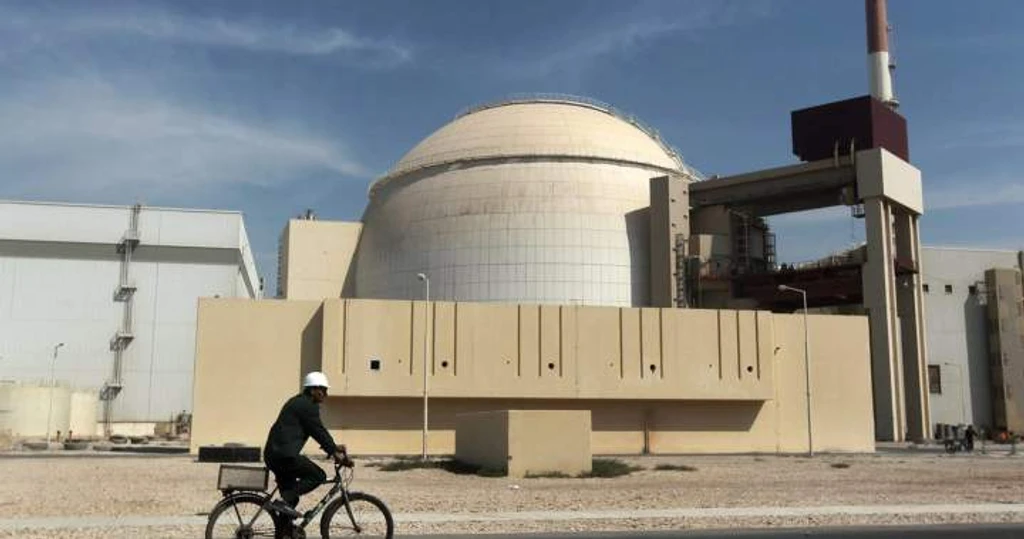
President Donald Trump has delayed planned strikes on Iranian power plants by five days, citing ongoing negotiations to reopen the Strait of Hormuz. The waterway, critical for global oil shipments, has been blocked by Iran in response to U.S. and Israeli attacks.
Trump announced the pause on his Truth Social platform, claiming "very good and productive conversations" that could lead to a complete resolution. The reprieve is conditional on the progress of talks, though Iran has not confirmed direct engagement.
Iranian state media framed the delay as a U.S. retreat following Tehran’s firm warnings. Hours earlier, Iran threatened to mine the Persian Gulf and target regional power and desalination plants if attacked.
The four-week conflict has killed over 2,000 people, disrupted global energy markets, and driven Brent crude to $113 a barrel. U.S. Central Command’s Adm. Brad Cooper said the campaign aims to eliminate Iran’s future military capabilities.
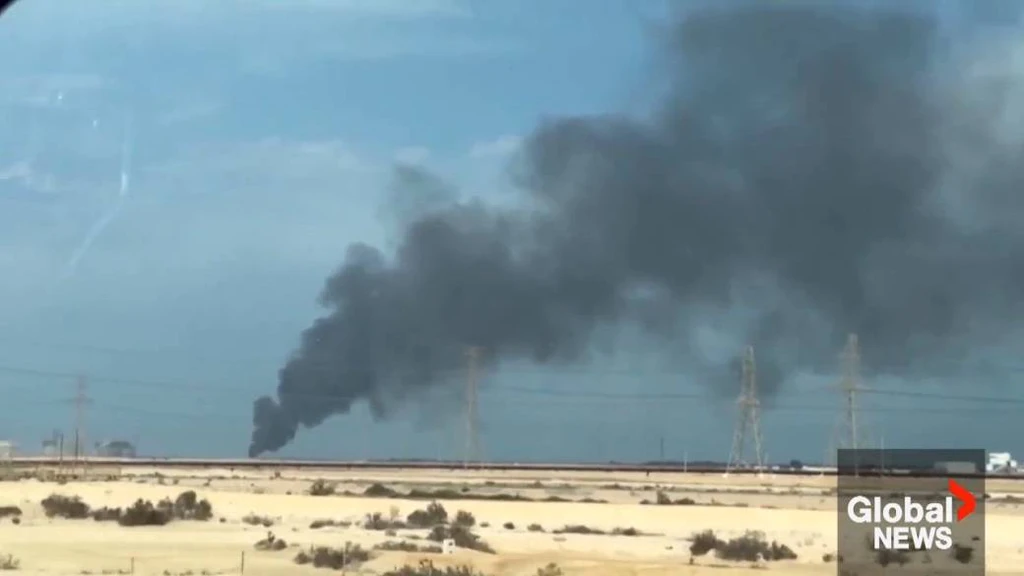
Israel intensified strikes on Tehran while Iran launched missiles at Dimona. Lebanon has seen over 1,000 killed and more than a million displaced due to Israeli operations targeting Hezbollah.
Turkey confirmed its foreign minister spoke with Iran’s Abbas Araghchi, signaling possible backchannel diplomacy. The UAE reported intercepting Iranian fire as tensions remain at a breaking point.
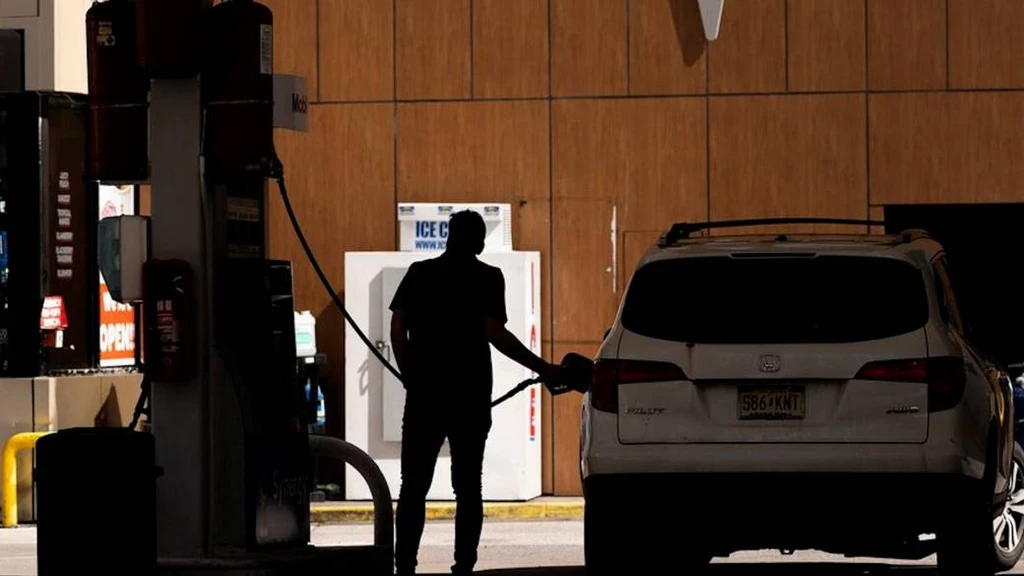
U.N. officials warn there is no military solution, as global ripple effects mount-from fuel spikes to industrial shutdowns in South Korea. Iran’s Defense Council warned any ground assault would trigger mass mining of the Persian Gulf.
Casualties include over 1,500 in Iran, 15 in Israel, and 13 U.S. service members. Oil markets remain volatile, with experts saying normalization could take months or years even if hostilities end.