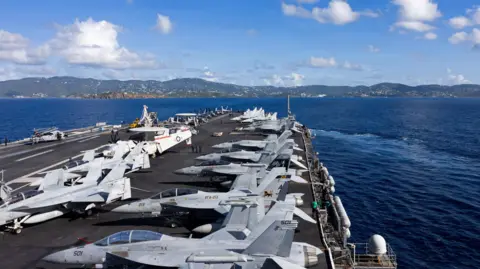
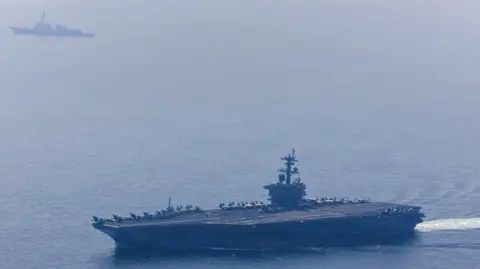
The United States has significantly increased its military presence in the Gulf region, deploying assets like the USS Abraham Lincoln and USS Gerald R. Ford carrier strike groups. This build-up suggests a shift from signaling to active preparation for potential operations.

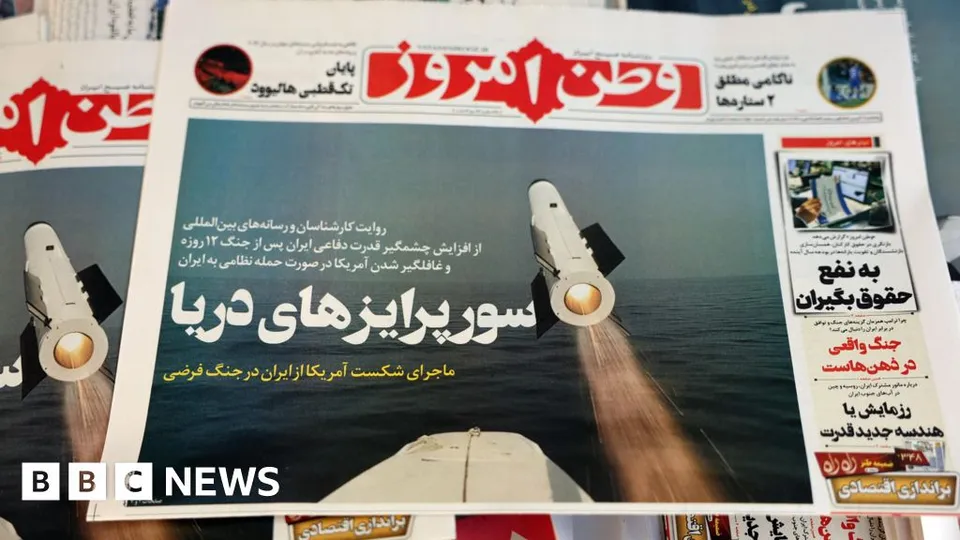
This military posture raises questions about Iran's continued defiance. Tehran views US conditions for talks-including ending uranium enrichment, limiting missile range, halting regional support, and internal reforms-as demands for capitulation, not negotiation. These demands strike at the core of Iran's security architecture, including its "Axis of Resistance" network and its ballistic missile and nuclear programs, which provide deterrent value.
For Iran's leadership, risking a limited military conflict with the US under President Trump may be perceived as more survivable than a total strategic rollback. However, the risks are profound: a US campaign could target leadership, destabilize succession, and weaken security institutions, potentially exacerbating domestic discontent.
Wars rarely follow initial assumptions. Miscalculations regarding targets, duration, or political fallout could expand the conflict, impacting Iran's already strained economy and potentially fueling public anger. Defiance serves to signal resolve externally and project strength internally, but it also constrains options for compromise.
Washington faces its own risks. While the US military possesses superior capacity, conflict is shaped by miscalculation and unintended consequences. A weakened Iran could lead to power vacuums, generating new centers of influence that complicate regional stability. Facing limited favorable options, Tehran appears publicly inclined towards confronting the possibility of a limited war rather than strategic surrender.