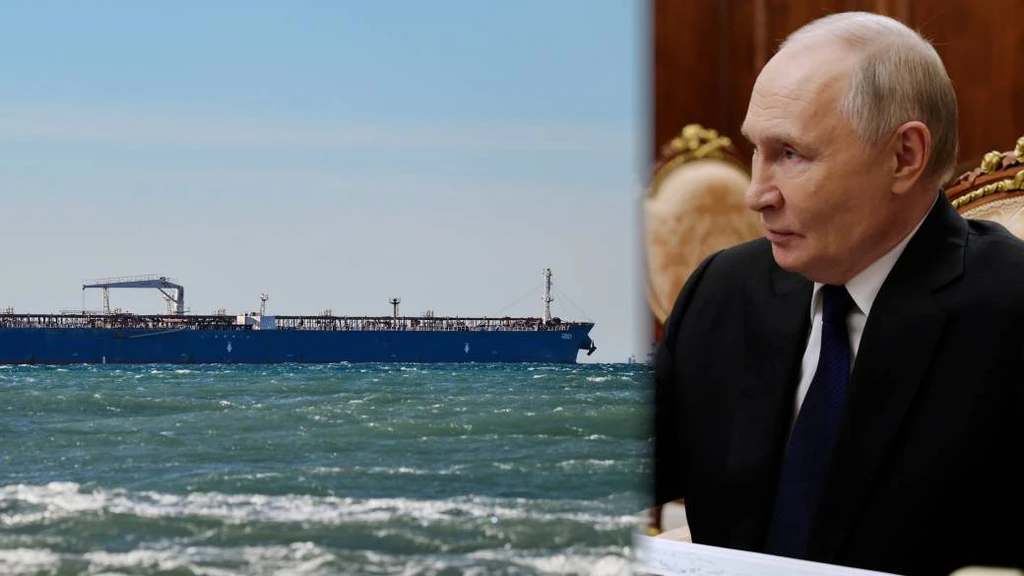
The United States will not renew sanctions waivers that permitted the purchase of certain Russian and Iranian oil, U.S. Treasury Secretary Scott Bessent announced Wednesday. This decision allows a prior 30-day waiver on Iranian oil sanctions, set to expire April 19, and a similar waiver on Russian oil sanctions, which expired over the weekend, to lapse.
Bessent stated that the oil covered by these waivers, which was already "on the water" before March 11, has been accounted for. This move marks an end to the previous administration's strategy of using waivers to bolster global oil supplies and moderate energy prices.
Last month, Bessent noted that the Iranian waiver alone had allowed approximately 140 million barrels of oil into global markets. The Treasury Department is now preparing to implement secondary sanctions, further restricting new purchases of Iranian oil.
"We have told companies, we have told countries that if you are buying Iranian oil, that if Iranian money is sitting in your banks, we are now willing to apply secondary sanctions, which is a very stern measure," Bessent said.
While acknowledging that Russia's additional oil revenues during the waiver period could have reached $2 billion, Bessent defended the decision, emphasizing it helped stabilize global oil prices and prevented steeper spikes. He contrasted this with potential doomsday scenarios where oil prices could have reached $150 to $250 per barrel.