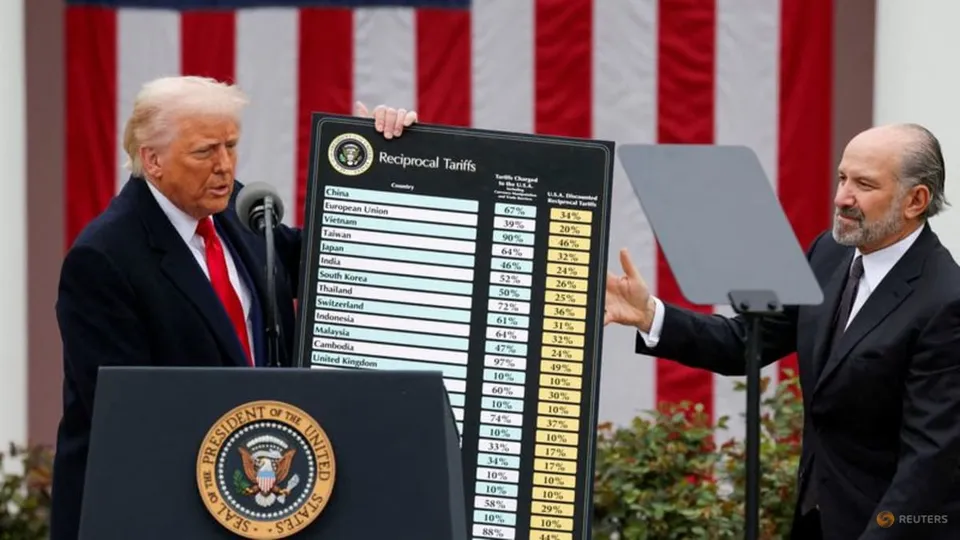
The US Supreme Court on Friday delivered a major blow to President Donald Trump's trade policy, striking down his sweeping global tariffs. These tariffs, enacted under a law intended for national emergencies, represented a significant assertion of presidential authority and had major implications for the global economy.
Tariffs, which are taxes on imported goods, were a cornerstone of Trump's economic and foreign policy, fueling a global trade war that strained international relations and created economic uncertainty. The administration had leveraged these measures extensively, with economists estimating over $175 billion collected under the International Emergency Economic Powers Act (IEEPA).
The ruling reinforces the constitutional principle that Congress, not the president, holds the authority to levy taxes and tariffs. Trump had bypassed congressional approval by invoking IEEPA to impose tariffs on nearly every US trading partner.
While Trump argued these tariffs were vital for US economic security, the Supreme Court's decision limits his ability to unilaterally impose such broad economic measures. The administration has indicated it will explore alternative legal avenues to maintain tariffs, including those related to national security and unfair trade practices, though these may not offer the same expansive flexibility.
IEEPA historically served as a tool for sanctions and asset freezes, not for implementing widespread import taxes. The Supreme Court's decision scrutinizes the executive branch's use of emergency powers in economic policy.