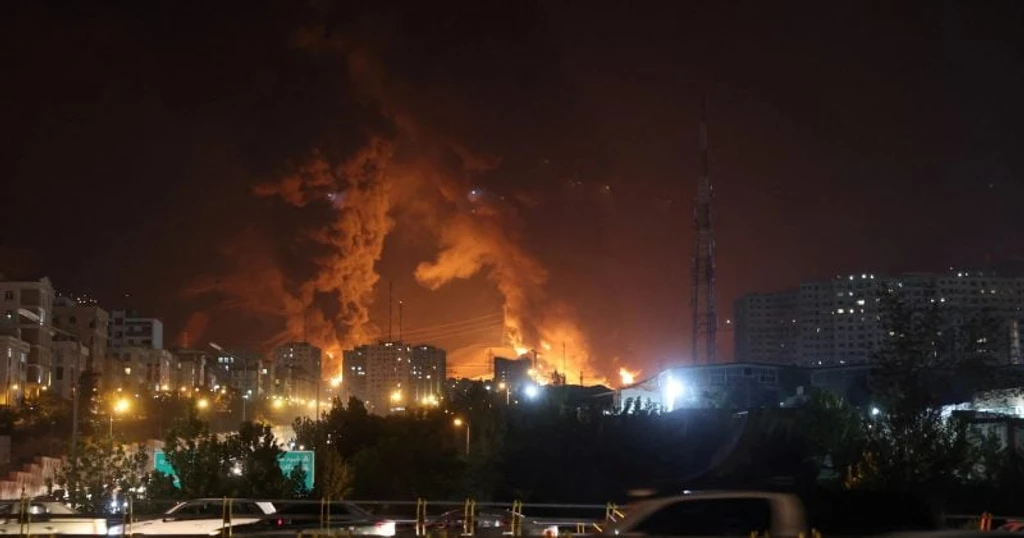
The United Arab Emirates has launched dozens of airstrikes against Iranian targets in coordination with the United States and Israel, marking the most significant military escalation in the Persian Gulf in decades. The covert strikes targeted Iranian infrastructure including an oil refinery on Lavan Island, representing a seismic shift in the region's geopolitical landscape.
The broader campaign began February 28, 2026, with US-Israeli airstrikes hitting Iranian facilities. Iran retaliated with missile and drone attacks against Gulf states, with the UAE bearing a disproportionate share. By early April, UAE air defenses had intercepted 537 ballistic missiles and more than 2,256 drones.
Oil prices have surged above $105 per barrel, injecting macro uncertainty that makes risk assets including digital currencies behave erratically. While UAE-based cryptocurrency operations have reportedly demonstrated resilience, events like TOKEN2049 were postponed. A prolonged conflict could accelerate talent and capital migration away from Dubai and Abu Dhabi to competing hubs like Singapore, Hong Kong, and London.
A conditional ceasefire was established around April 8, but by early May, Iranian attacks resumed. With over 2,256 drones and 537 ballistic missiles already launched at UAE targets, Tehran has demonstrated both willingness and capability to sustain an offensive campaign.